Japan Earthquake | Page 1302
 They still have not explained the highly radioactive material found miles from the site or the highly radioactive body they found in a nearby town.by Nancy 5/22/2011 2:56:17 AM
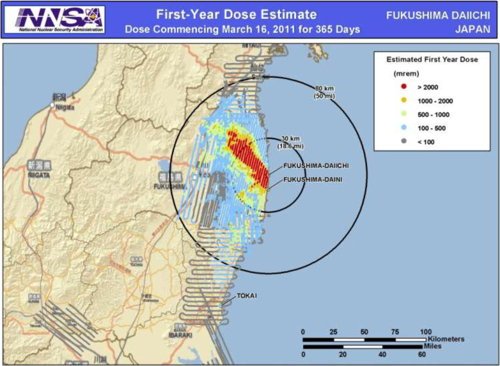
 Ok, so debris kicking out 1 Sievert of radiation, sitting on the ground... trying to guess what it would be.by Panserbjorne9 5/22/2011 2:56:41 AM
 1 Sv will make you puke it just take a little longer than with fresh rod piecesby WolfDK 5/22/2011 2:57:17 AM
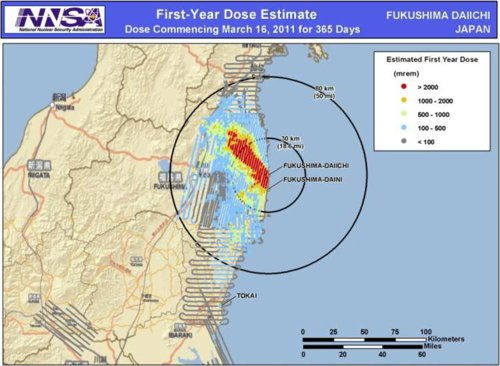 by Rob in SF via Maproomblog 5/22/2011 2:57:40 AM
- @Panserbjorne9 TEPCO said at one point rod material was ejected out of 3, then said it was 4 and then back to it being 3 to pretending they never brought it up. There was wider speculation it was fuel material as in little pieces rather than rods chucked out. I hope they try to inspect 3's sfp more in the future.by Nancy 5/22/2011 2:58:22 AM
- @Panserbjorne9 It could be a tiny chip of a fuel pellet stuck to a piece of concrete or such.by Rob in SF 5/22/2011 2:59:23 AM
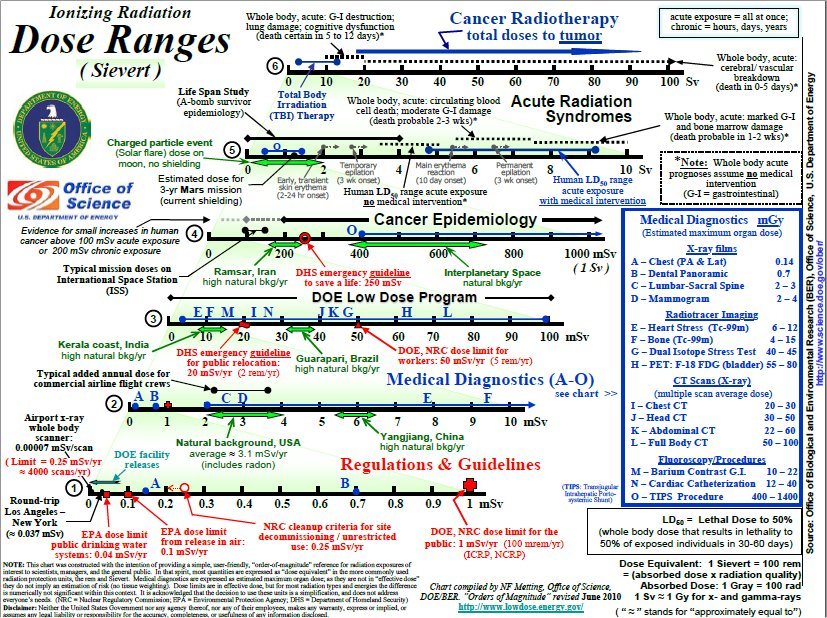
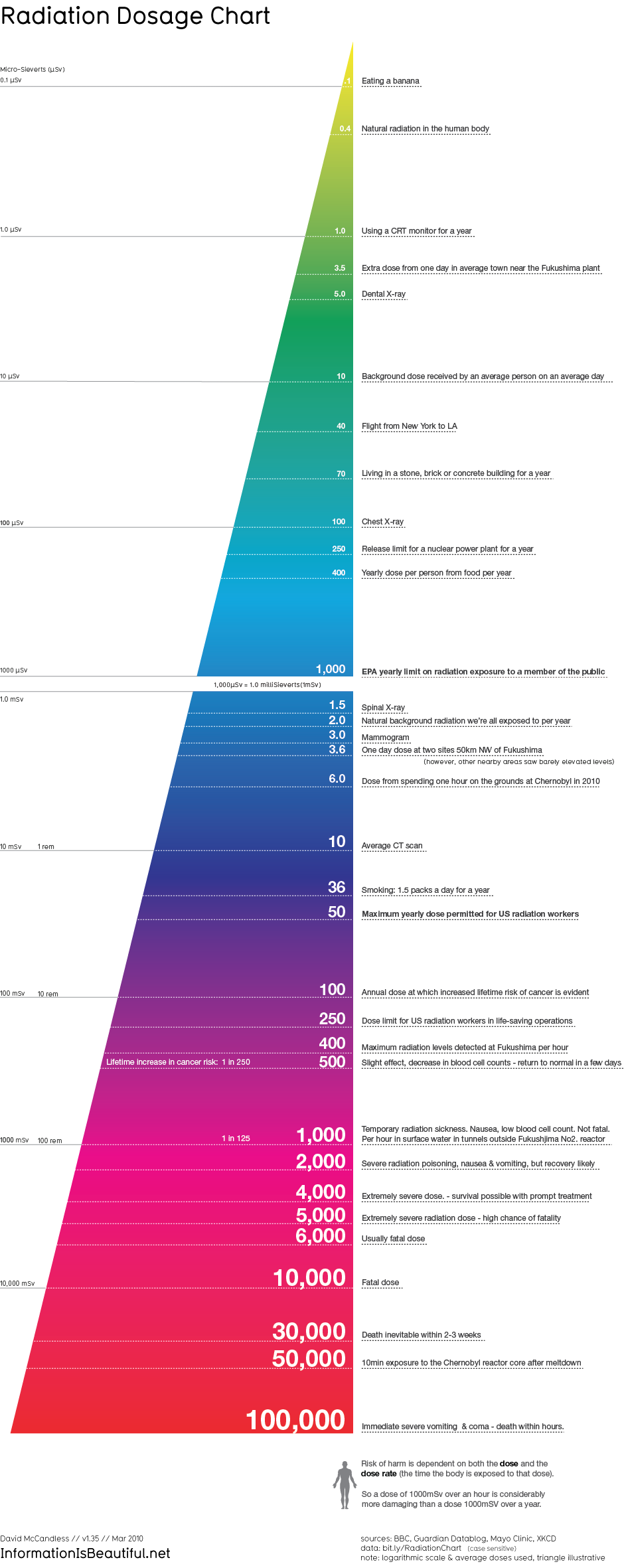
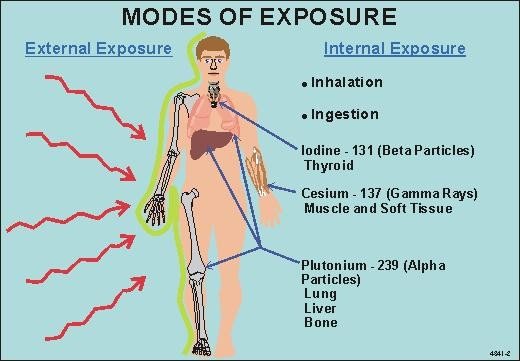
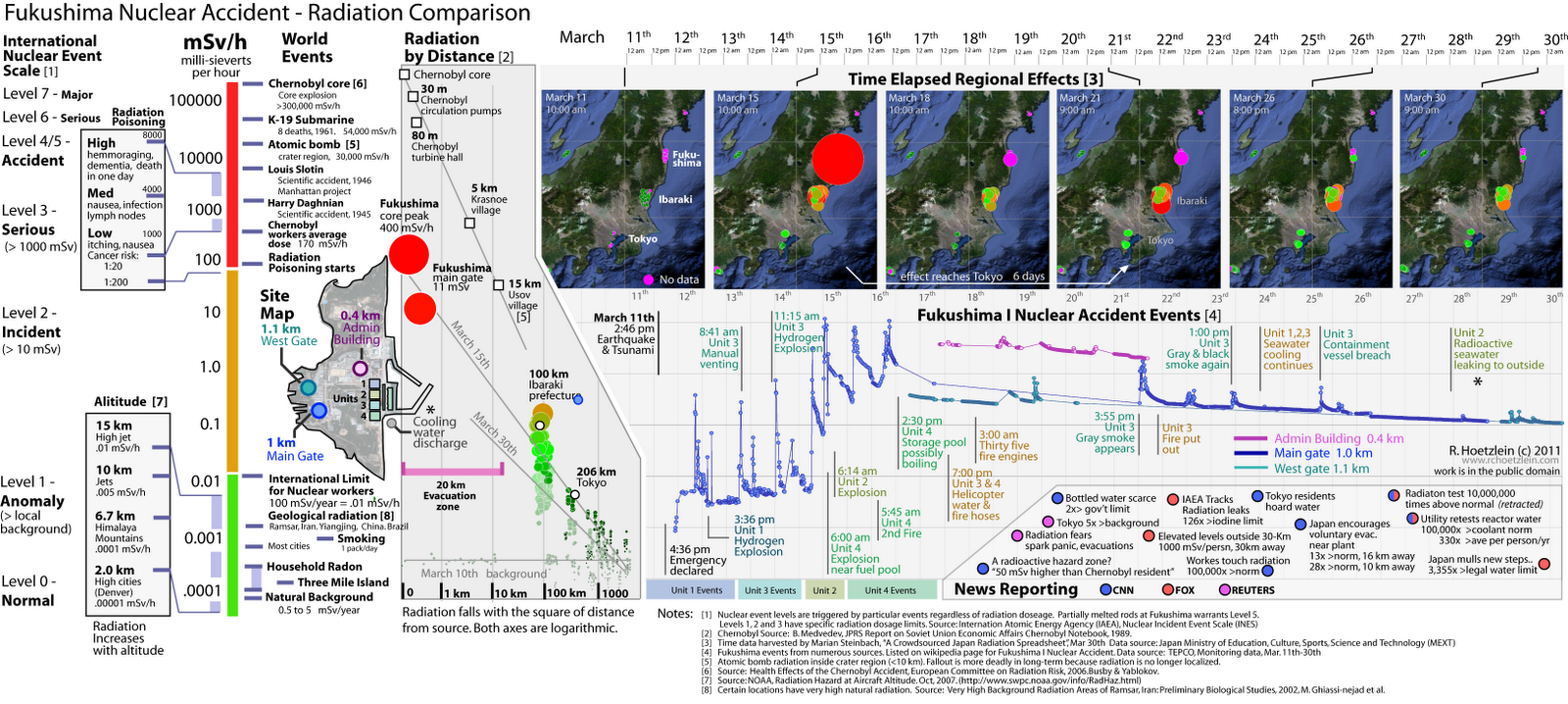
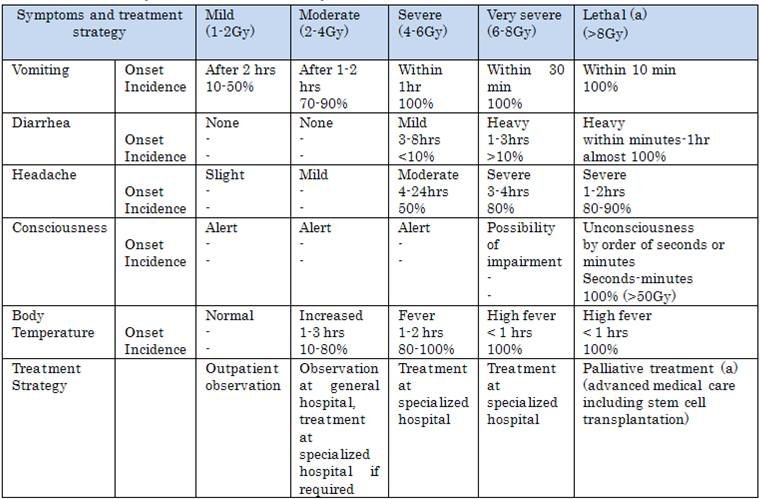
- @WolfDK we need a chart with illustrations written at a simple level such as 1000 sV and a picture of someone puking. Those are associations anyone can wrap their head around.by Nancy 5/22/2011 2:59:46 AM
- If it's technically possible for the rods from the sfp of 3 to have ruptured during their ejection as a result of the boom, then uranium pellets scattered around the area seems feasible. They have to be SOMEWHERE.by Panserbjorne9 5/22/2011 3:00:15 AM
- @Rob get outta my head! Ditto!by Panserbjorne9 5/22/2011 3:00:56 AM
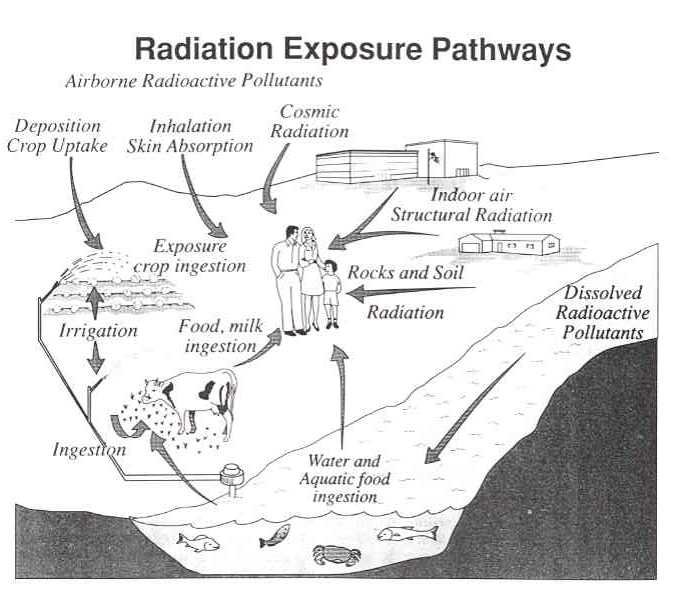
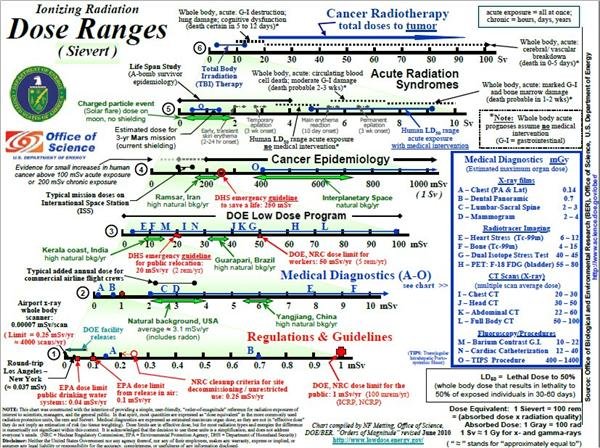 by Rob in SF via Lowdose.energy.gov 5/22/2011 3:01:40 AM
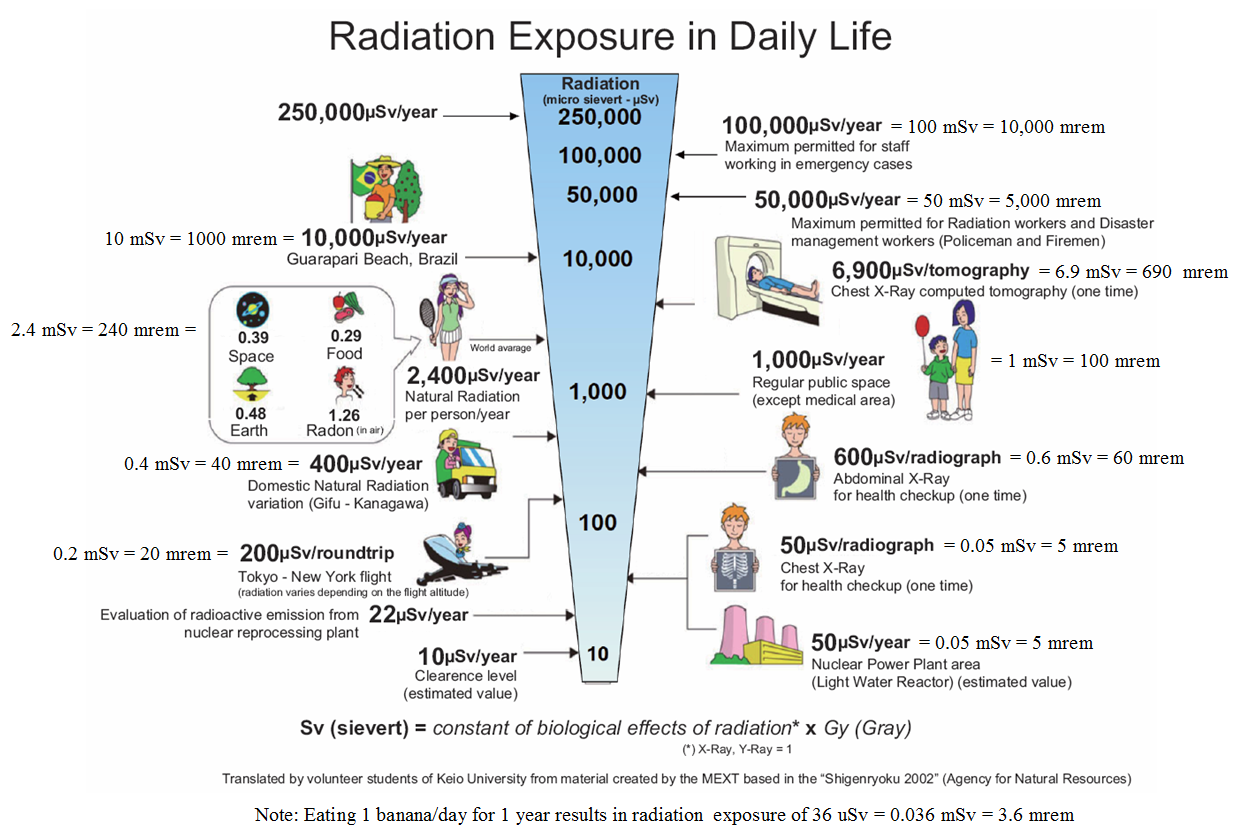
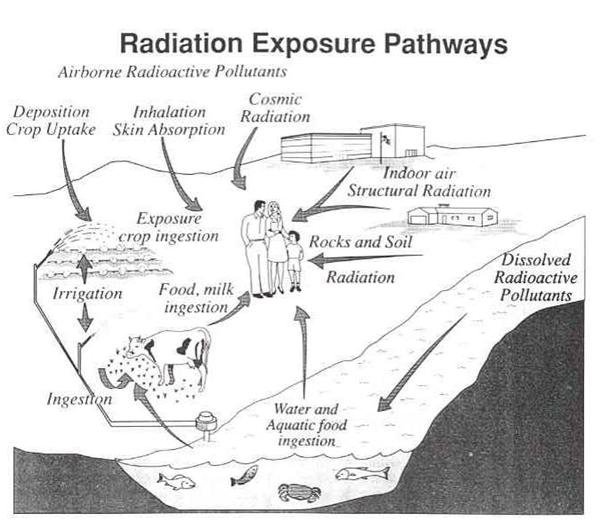 by Rob in SF via Holbert.faculty.asu.edu 5/22/2011 3:02:14 AM
 Hi again all! How about the plutonium in 3?by LM 5/22/2011 3:02:16 AM
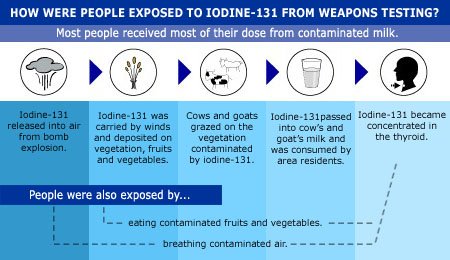
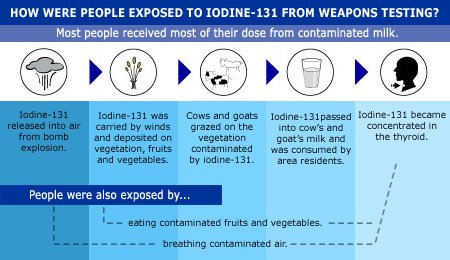 by Rob in SF via Cdc.gov 5/22/2011 3:02:40 AM
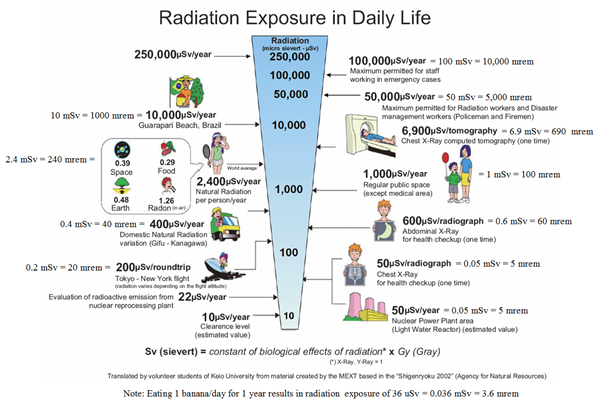 by Rob in SF via Cbullitt.files.wordpress 5/22/2011 3:04:52 AM
- @Panserbjorne9 it makes me curious to know what is under all the rubble in 3's sfp.by Nancy 5/22/2011 3:05:18 AM
- Exposure from x-rays or gamma rays is measured in units of roentgens. For example:
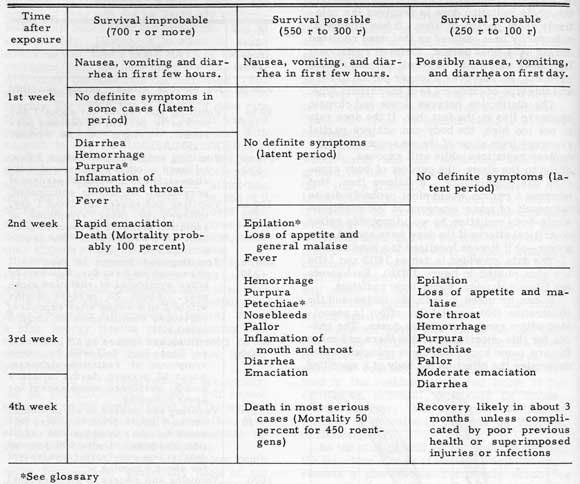
* Total body exposure of 100 roentgens (or 1 Gy) causes radiation sickness.
* Total body exposure of 400 roentgens (or 4 Gy) causes radiation sickness and death in half the individuals. Without medical treatment, nearly everyone who receives more than this amount of radiation will die within 30 days.
* 100,000 rads causes almost immediate unconsciousness and death within an hourby WolfDK 5/22/2011 3:05:39 AM - @Nancy If MOX fuel rod assemblies were ejected in the 3 explosion from the SFP would that explain lower temps in SFP because there is simply less fuel or intact fuel to generate heat?by LM 5/22/2011 3:07:37 AM
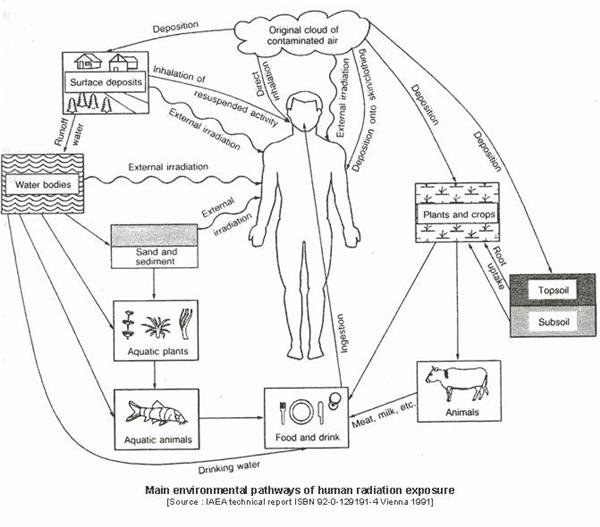 by Rob in SF via 2.bp.blogspot 5/22/2011 3:08:00 AM
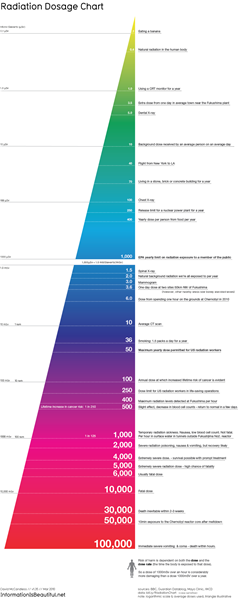 by Rob in SF via Doctor2008.files.wordpress 5/22/2011 3:09:42 AM
- There needs to be a Hello Kitty radiation chart. :-)by Nancy 5/22/2011 3:10:18 AM
- @Nancy, here is a simple text explanation of exposure and symptoms, think you can use this on your new site: hubpages.comby WolfDK 5/22/2011 3:12:18 AM
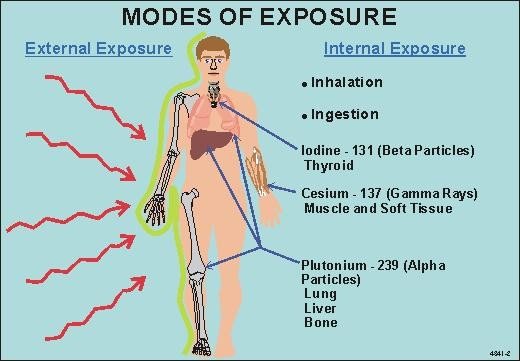 by Rob in SF via 3.bp.blogspot 5/22/2011 3:13:13 AM
- Some response and improvement to the worker's death situation. mdn.mainichi.jpby Nancy 5/22/2011 3:16:17 AM
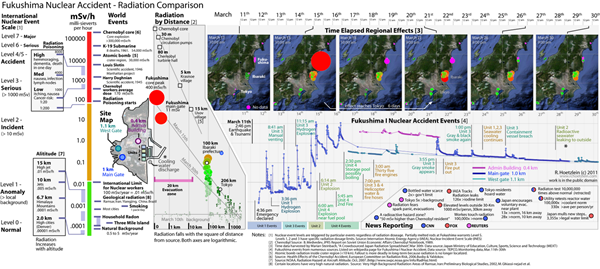 by Rob in SF via 4.bp.blogspot 5/22/2011 3:16:20 AM
- @WolfDK possibly. Maybe with some less horrifying pictures?by Nancy 5/22/2011 3:17:03 AM
- @Nancy, use the text only (copy paste with ref) it explains in detail the symptoms at a given doseby WolfDK 5/22/2011 3:18:40 AM
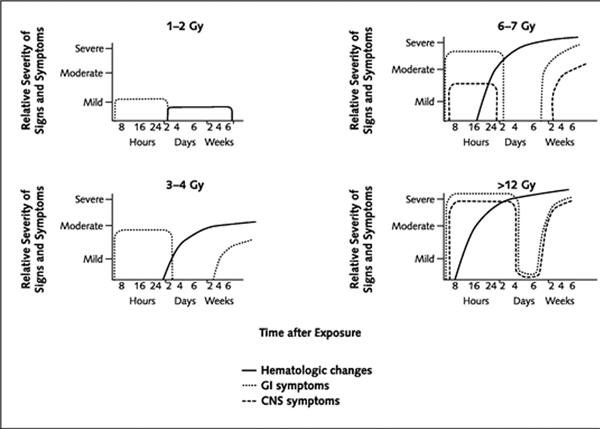
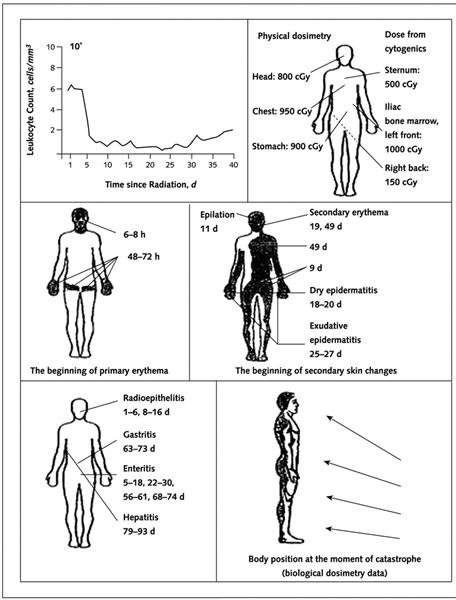
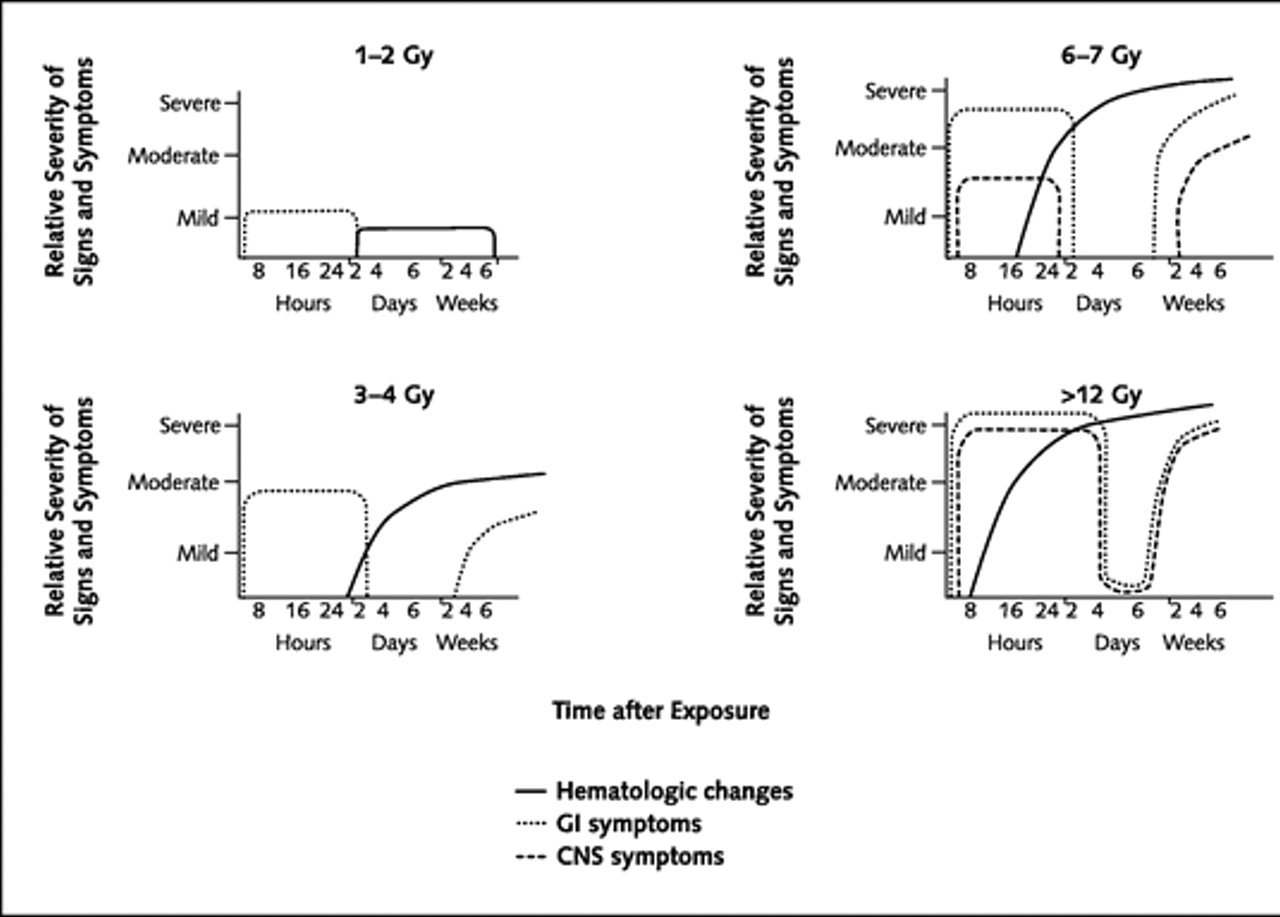
Shown are approximate times for hematopoietic, gastrointestinal ( ), and central nervous system ( ) symptoms at different ranges of dose of whole-body radiation for exposed, living persons. Hematopoietic changes include development of lymphopenia, granulocytopenia, or thrombocytopenia. Gastrointestinal symptoms include headache, nausea, vomiting, or diarrhea. Cerebrovascular signs and symptoms include headache, impaired cognition, disorientation, ataxia, seizures, prostration, and hypotension. Note that the signs and symptoms of different organ systems significantly overlap at each radiation dose and that cerebrovascular symptoms do not appear until exposure to a high whole-body dose. The relative severity of signs and symptoms is measured on an arbitrary scale.
www.annals.orgby Rob in SF via Annals.org 5/22/2011 3:23:24 AM- by Rob in SF via Annals.org 5/22/2011 3:24:34 AM
- @WolfDK Sounds like a plan to add to the site.by Nancy 5/22/2011 3:25:40 AM
- Good stuff from the CDC here...
The three classic ARS Syndromes are:
•Bone marrow syndrome (sometimes referred to as hematopoietic syndrome) the full syndrome will usually occur with a dose between 0.7 and 10 Gy (70 – 1000 rads) though mild symptoms may occur as low as 0.3 Gy or 30 rads4.
The survival rate of patients with this syndrome decreases with increasing dose. The primary cause of death is the destruction of the bone marrow, resulting in infection and hemorrhage.
•Gastrointestinal (GI) syndrome: the full syndrome will usually occur with a dose greater than approximately 10 Gy (1000 rads) although some symptoms may occur as low as 6 Gy or 600 rads.
Survival is extremely unlikely with this syndrome. Destructive and irreparable changes in the GI tract and bone marrow usually cause infection, dehydration, and electrolyte imbalance. Death usually occurs within 2 weeks.
•Cardiovascular (CV)/ Central Nervous System (CNS) syndrome: the full syndrome will usually occur with a dose greater than approximately 50 Gy (5000 rads) although some symptoms may occur as low as 20 Gy or 2000 rads.
Death occurs within 3 days. Death likely is due to collapse of the circulatory system as well as increased pressure in the confining cranial vault as the result of increased fluid content caused by edema, vasculitis, and meningitis.
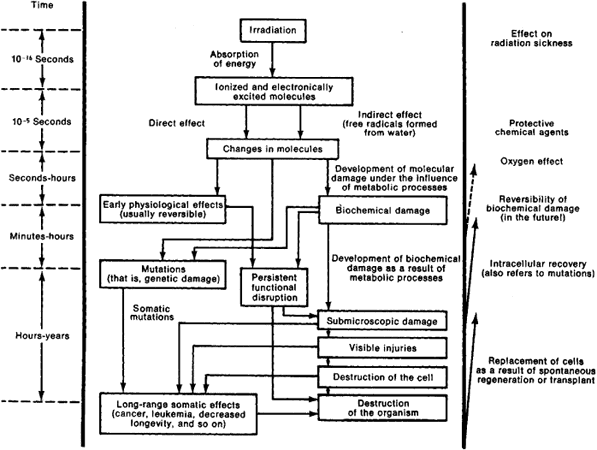
The four stages of ARS are:
•Prodromal stage (N-V-D stage): The classic symptoms for this stage are nausea, vomiting, as well as anorexia and possibly diarrhea (depending on dose), which occur from minutes to days following exposure. The symptoms may last (episodically) for minutes up to several days.
•Latent stage: In this stage, the patient looks and feels generally healthy for a few hours or even up to a few weeks.
•Manifest illness stage: In this stage the symptoms depend on the specific syndrome (see Table 1) and last from hours up to several months.
•Recovery or death: Most patients who do not recover will die within several months of exposure. The recovery process lasts from several weeks up to two years.
These stages are described in further detail in Table 1...
emergency.cdc.govby Rob in SF 5/22/2011 3:29:25 AM - @Nancy, think most of those illustrations meant to be easy understood just confuses people, some of them even confuses people who already have some knowledge. Something like the computer nerd trying to explain a common person why his/her computer acts upby WolfDK 5/22/2011 3:31:14 AM
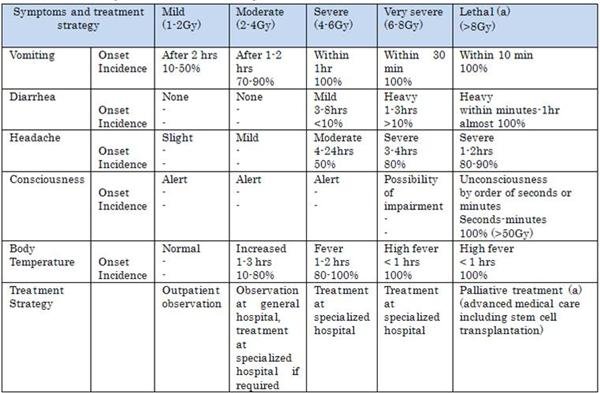 by Rob in SF via Remnet.jp 5/22/2011 3:32:12 AM
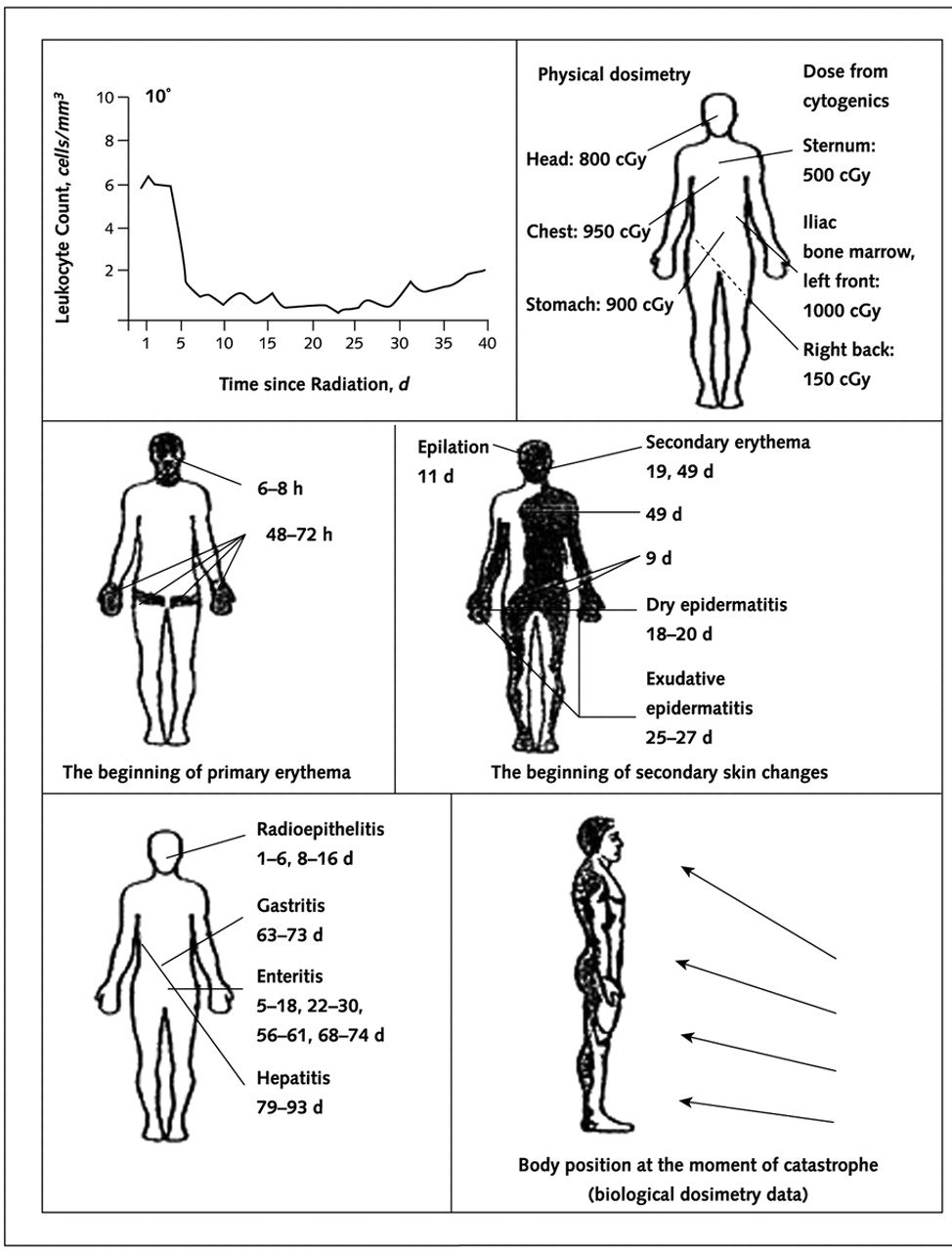
- The first symptoms of ARS typically are nausea, vomiting, and diarrhea. These symptoms will start within minutes to days after the exposure, will last for minutes up to several days, and may come and go. Then the person usually looks and feels healthy for a short time, after which he or she will become sick again with loss of appetite, fatigue, fever, nausea, vomiting, diarrhea, and possibly even seizures and coma. This seriously ill stage may last from a few hours up to several months.
People with ARS typically also have some skin damage. This damage can start to show within a few hours after exposure and can include swelling, itching, and redness of the skin (like a bad sunburn). There also can be hair loss. As with the other symptoms, the skin may heal for a short time, followed by the return of swelling, itching, and redness days or weeks later. Complete healing of the skin may take from several weeks up to a few years depending on the radiation dose the person’s skin received.
The chance of survival for people with ARS decreases with increasing radiation dose. Most people who do not recover from ARS will die within several months of exposure. The cause of death in most cases is the destruction of the person’s bone marrow, which results in infections and internal bleeding. For the survivors, the recovery process may last from several weeks up to 2 years.
www.bt.cdc.govby Rob in SF 5/22/2011 3:34:54 AM 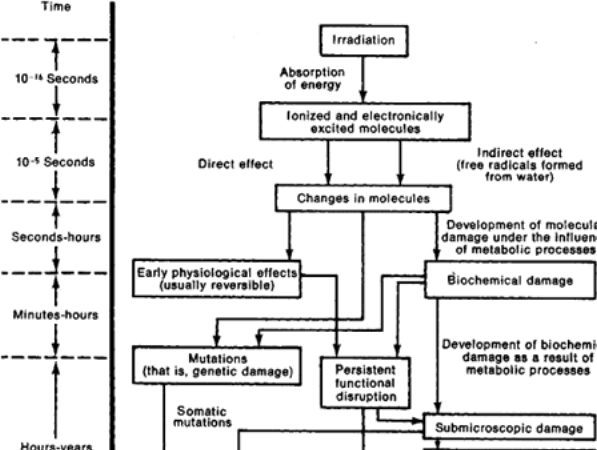 by Rob in SF via Img.tfd 5/22/2011 3:38:57 AM
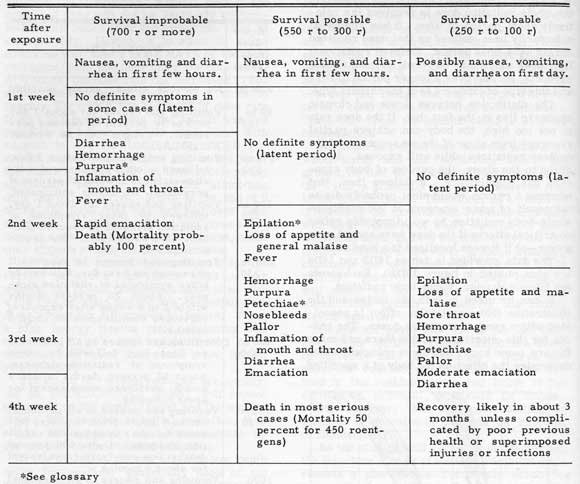 by Rob in SF via Hnsa.org 5/22/2011 3:40:47 AM
- Whats wrong with something simple
: 100 rem = bad, 500 rem = very bad and sick, 1000 rem = sick then goodbyeby WolfDK 5/22/2011 3:44:06 AM  I go on the bananna scale. I eat one I'm ok. Eat 5 and I get queasy. Eat 50 and I'm dead. A whole bowl of nanner puddin? Sweet suicide.by DonnerT 5/22/2011 3:51:59 AM
fukushima daiichi livecam 1/2+anomalien 21 05 2011
by deb 5/22/2011 3:59:28 AM- @deb, looks like a different camera location.by Nancy 5/22/2011 4:00:28 AM
fukushima daiichi livecam gutes bild! 21 05 2011
by deb 5/22/2011 4:06:53 AM- @Nancy I don't know but some interesting shotsby deb 5/22/2011 4:07:32 AM
radioaktivität 20μSvh shimomura taki japan 19.05.2011-20.05.2011.mp4
by deb 5/22/2011 4:11:48 AM- Taki is down by Osaka.by Nancy 5/22/2011 4:15:52 AM
- If I couldn't see the lights barely shining through the fog/clouds I would swear someone put a lens cap on the camera :(by deb 5/22/2011 4:18:48 AM
- Glitch halts nitrogen gas injection to reactor
The operator of the damaged Fukushima Daiichi nuclear power plant says injection of nitrogen gas into the Number 1 reactor came to a halt for more than 3 hours on Saturday due to mechanical trouble.
Tokyo Electric Power Company continues to inject nitrogen gas into the reactor's containment vessel to prevent the recurrence of a hydrogen explosion that took place in March.
On Saturday afternoon, a TEPCO worker found that the device to inject nitrogen, installed outside the reactor building, was not working. Injection later resumed using backup equipment.
The utility says data indicate that nitrogen gas had not been fed into the reactor for over 3 hours.
But TEPCO says pressure inside the containment vessel has changed little, and there is no increase in the risk of an explosion. The company is looking into the cause of the stoppage. www3.nhk.or.jpby LM 5/22/2011 4:44:46 AM

Japan Earthquake | Page 1302
- Who's Blogging
-
 hudebnik
 alblee
 UKVal
UKVal Jonathan Keebler
 Oliver (ScribbleLive)
 kaykodh
 Markfm
 Angie
Angie Mid Valley
 Matt (ScribbleLive)
 George Gibb
 elainekirk
 PKelley
 lillymunster
 dean
dean bo
bo Edano
Edano Deb
Deb Pedro Jesus
 IanGoddard