Japan Earthquake | Page 2957
 I will go lookby dean 2/7/2012 8:16:22 PM
 by UKVal 2/7/2012 8:16:51 PM
- whoops - didn't work..by UKVal 2/7/2012 8:20:51 PM
 @UKVal They never work for me :)by MaryW 2/7/2012 8:21:29 PM
- on that diagram below the placement of the wording "reactor spray system" seems too low, I thought the spray system, the visible on a you tube video, was the upper one and the feed water was lowerby dean 2/7/2012 8:21:44 PM
- 264 gal/hr*hr/60min = something alittle over 4 gallons per min.. not muchby dean 2/7/2012 8:22:50 PM

 by lillymunster via A1.sphotos.ak.fbcdn.net 2/7/2012 8:23:45 PM
- @dean the world nuclear news one is clearerby UKVal 2/7/2012 8:23:53 PM
- @lillymunster that cartoon neatly sums up my current state!by UKVal 2/7/2012 8:24:35 PM
- @dean I thought there were 3? A spray that is up rather high in the well, then the 2 in the illustration?by lillymunster 2/7/2012 8:24:43 PM
- @UKVal I thought it generally appropriate to what we do here. :-)by lillymunster 2/7/2012 8:25:03 PM
- @lillymunster :-)by UKVal 2/7/2012 8:25:27 PM
- @dean 4 gallons a minute out of one of those sprayers would be about a steady dribble.by lillymunster 2/7/2012 8:25:54 PM
- perhaps looking at it wrong.. hmmmmby dean 2/7/2012 8:31:08 PM
- @lilly. I think that's right.. perhaps another print will show the spray system... just trying to be sure where the water is going.. if it's the feed water system I think that pipe goes in and then downby dean 2/7/2012 8:32:30 PM
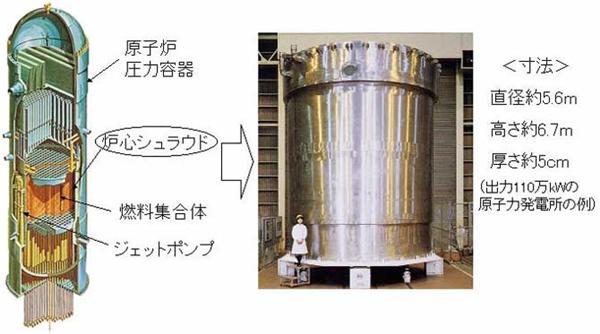
shroud. The core spray is in or on this in the RPV
by lillymunster 2/7/2012 8:32:49 PM- Does this help at all?
uka Kobayashi, a spokesman for the utility, said by phone. The reading fell from 72.2 degrees at 5 a.m. this morning, and is below the 93 degrees that’s used to define a cold shutdown, or safe state, of the reactorTepco increased the rate of cooling water being injected into the unit to 13.5 cubic meters per hour from 10.5 cubic meters per hour at 4:24 a.m.by lillymunster 2/7/2012 8:34:15 PM - by dean 2/7/2012 8:36:29 PM
- @dean What do you make of this? 'What Tepco's experience indicates is that one portion of the deformed core relies on a certain flow from the feedwater pipe for cooling. While the core spray complements feedwater input and was significant in the push to bring the temperature below 100ºC, the two are apparently not interchangeable for one specific area of unit 2's core. Tepco has modified injection rates at all three of the melted Fukushima Daiichi reactors several times in the past without experiencing warming effects such as this." www.world-nuclear-news.orgby UKVal 2/7/2012 8:44:17 PM
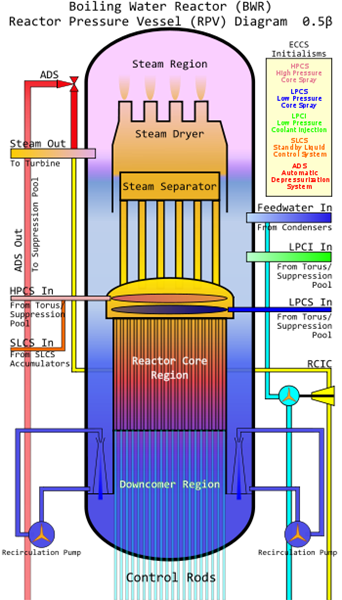
another diagram
by dean 2/7/2012 8:45:05 PM- @UKVal, I think in their experimenting with different flow rates and paths into the core does make sense on how it affects the core, whether it's split up or in one blobby dean 2/7/2012 8:46:56 PM
- @dean that's what I wondered. Looking at the diagrams it seems as if the core spray is directed into the heart of the RPV whereas the feedwater goes round the outside. Is that correct?by UKVal 2/7/2012 8:48:56 PM
- Low-pressure core spray system (LPCS)
The low-pressure core spray system is designed to suppress steam generated by a major contingency. As such, it prevents reactor vessel pressure from going above the point where LPCI and LPCS would be ineffective, which is above 32 atm (3200 kPa, 465 psi). It activates below that level, and delivers approximately 48,000 L/min (12,500 US gal/min) of water in a deluge from the top of the core.by dean 2/7/2012 8:50:14 PM - I think this is the spray line we've seen spraying on the videosby dean 2/7/2012 8:50:58 PM
- check the flow rates.. hugeby dean 2/7/2012 8:51:08 PM
- Low-pressure coolant injection system (LPCI)
The low-pressure coolant injection system, the "heavy artillery" in the ECCS, can be operated at reactor vessel pressures below 465 psi. The LPCI consists of 4 pumps driven by diesel engines, and is capable of injecting a mammoth 150,000 L/min (40,000 US gal/min) of water into the core . Combined with the CS to keep steam pressure low, the LPCI is designed to suppress contingencies by rapidly and completely flooding the core with coolant.by dean 2/7/2012 8:51:36 PM - again huge flow ratesby dean 2/7/2012 8:51:56 PM
- High-pressure coolant injection system (HPCI)
The high-pressure coolant injection system is the first line of defense in the emergency core cooling system. HPCI is designed to inject substantial quantities of water into the reactor while it is at high pressure so as to prevent the activation of the automatic depressurization, core spray, and low pressure coolant injection systems. HPCI is powered by steam from the reactor, and takes approximately 10 seconds to spin up from an initiating signal, and can deliver approximately 19,000 L/min (5,000 US gal/min) to the core at any core pressure above 6.8 atm (690 kPa, 100 psi). This is usually enough to keep water levels sufficient to avoid automatic depressurization except in a major contingency, such as a large break in the makeup water line.by dean 2/7/2012 8:52:55 PM  @dean there are some pressure figures here if they any use docs.google.comby elainekirk 2/7/2012 8:53:09 PM
- ty elaineby dean 2/7/2012 8:55:04 PM
- I think the main thing is that the whole system is depressurized so no need for the high pressure systems, leaving the lower pressure systems which are probably modified with different pumps etc to inject water into these lines we hear about.by dean 2/7/2012 8:56:12 PM
- @dean ah! I was wondering if that was the case - so no HPCI?by UKVal 2/7/2012 8:58:04 PM
- this concerns ~3 but may be relevant '24 August 2011
The temperature of the reactor core of unit 3 of the damaged Fukushima Daiichi plant is expected to drop significantly with the commissioning of a more efficient cooling system, according to Tokyo Electric Power Company (Tepco).
The company said that it plans to put into operation a system for spraying cooling water directly into the core of the reactor. This core spray system - which is positioned above the fuel - would be used in parallel with the feed water system currently in use, which injects water into the bottom of the reactor pressure vessel (RPV). Some six cubic metres per hour of water is currently being injected into the RPV using this system.' www.world-nuclear-news.orgby UKVal 2/7/2012 9:01:12 PM - @elaine.. that helps.. on the last page the operative paragraph beginning with From Feb 2 ......... when the temp rises they assume "oh my criticality" so they pump more boric acid in with hopes of stopping it and then sample to see if they have Xe135 levels which are greater than 1 Bq/cm3 - which is their self defined criticality pointby dean 2/7/2012 9:03:23 PM
- @UKVal.. exactly what the LPIS does.. in a spray mist over the entire interior region above the shroud and would then mist down over what ever core is left below it as opposed to a feed water line which reroutes water downby dean 2/7/2012 9:05:10 PM
- Inside of a BWR reactor pressure vessel (RPV), feedwater enters through nozzles high on the
vessel, well above the top of the nuclear fuel assemblies (these nuclear fuel assemblies
constitute the "core") but below the water level. The feedwater is pumped into the RPV from
the condensers located underneath the low pressure turbines and after going through
feedwater heaters that raise its temperature using extraction steam from various turbine stages.
The feedwater enters into the downcomer region and combines with water exiting the water
separators. The feedwater subcools the saturated water from the steam separators. This water
now flows down the downcomer region, which is separated from the core by a tall shroud.
The water then goes through either jet pumps or reactor internal pumps that provide additional
pumping power (hydraulic head). The water now makes a 180 degree turn and moves up
through the lower core plate into the nuclear core where the fuel elements heat the water.
When the flow moves out of the core through the upper core plate, about 12–15% of the
volume of the flow is saturated steam.by dean 2/7/2012 9:07:29 PM - Hello! I recall that the HPCI was never activated in Unit 1, was switched off by an operator on Monday morning after the quake in Unit 2, and failed for reasons unexplained in Unit 3. Tepco suggested that Unit 3's HPCI failure may have caused the hydrogen explosion in its wake.by Peter 2/7/2012 9:07:53 PM
- ' On 2 February, feedwater injection was reduced by two cubic metres per hour and the core spray was stepped up by the same amount.' So this tinkering messed up the temperatureby UKVal 2/7/2012 9:08:12 PM
- @peter.. hi-5 how are you .. nice seeing youby dean 2/7/2012 9:08:15 PM
- @dean , same here, :)by Peter 2/7/2012 9:08:41 PM
- There is no mention of the LPCI. Tepco achieved most with pumping water by fire engine into the feed water lines.by Peter 2/7/2012 9:10:30 PM
- www.ansn-jp.org good document.. @elaine or lilly can you copy figure 3 and post in here.. it helps to explain thingsby dean 2/7/2012 9:10:41 PM
- right @Peterby dean 2/7/2012 9:10:56 PM
- they do have a feedwater sparger and a low pressure core spray sparger a high pressure sparger .. all of which would be a good path to get some spray flow inby dean 2/7/2012 9:13:26 PM
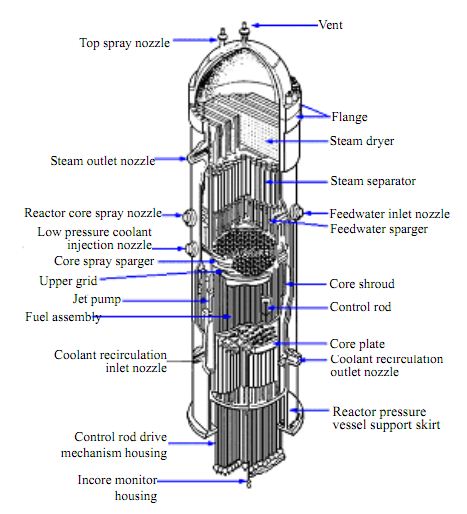
Figure 3
by lillymunster 2/7/2012 9:14:42 PM

Japan Earthquake | Page 2957
- Who's Blogging
-
 hudebnik
 alblee
 UKVal
UKVal Oliver (ScribbleLive)
 Jonathan Keebler
 kaykodh
 PKelley
 Markfm
 Angie
Angie Deb
Deb Mid Valley
- Pedro Jesus
 Matt (ScribbleLive)
 George Gibb
- elainekirk
- lillymunster
- dean
 bo
bo Edano
Edano IanGoddard