Japan Earthquake | Page 21
 oups, didn't have time to post the link!by nestor 3/26/2011 2:14:34 PM
- by nestor 3/26/2011 2:14:36 PM
- For auto approvalby dervish 3/26/2011 2:14:47 PM
- I too am interested in the answer for jay77's question..thanksby dervish 3/26/2011 2:15:28 PM
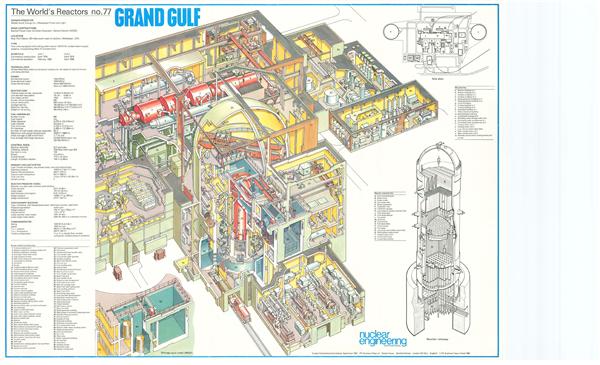
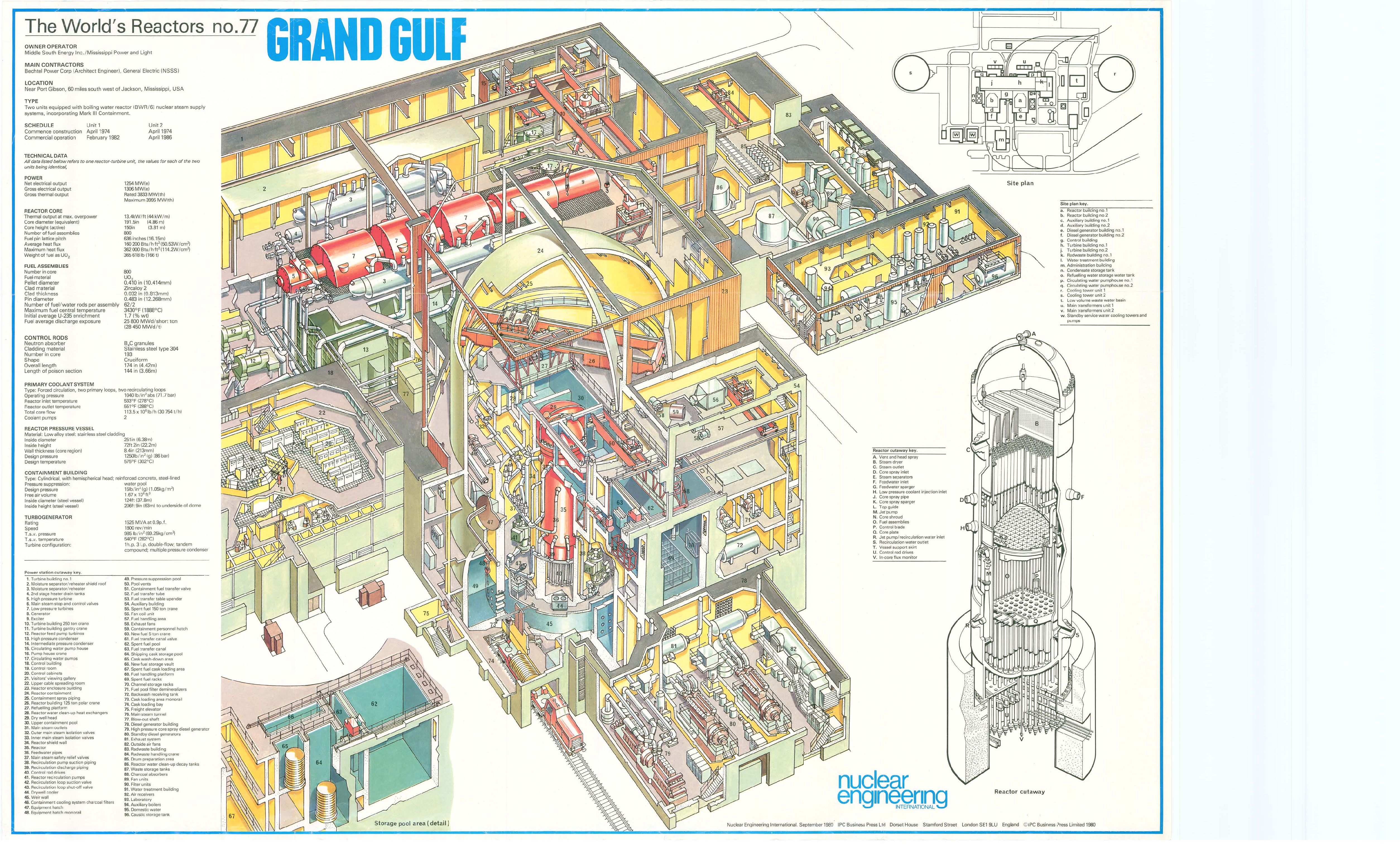
Here is BWR/6 image, it is not Fukushima but it is similar: farm3.static.flickr.com
by John via Farm3.static.flickr 3/26/2011 2:16:14 PM- I am as well, if someone smarter than I (not terribly difficult I would imagine...) were to give an answer :).by borrrden 3/26/2011 2:16:14 PM
- @jay77 Worst scenario will be a meltdown and explosion of a core. Hopefully, we are not in that case, and you will be warned by media at the second of it, which was not the case in Chernobyl . Nuclear scientist have feared a nuclear explosion for Chernobyl , and that would have been much worse. 220 Kms is far away, to have the time to get prepared or leave. and, if it can "help" if an explosion and criticity occurs, all the world will be concerned . But, I'm confident that it will not happen.by futureisnow 3/26/2011 2:20:10 PM
 Does anyone know if the "puddles" in the turbine room have increased or decreased since discovery? It would be interesting to know if they are gathering more water or draining away.by Stormy 3/26/2011 2:22:29 PM
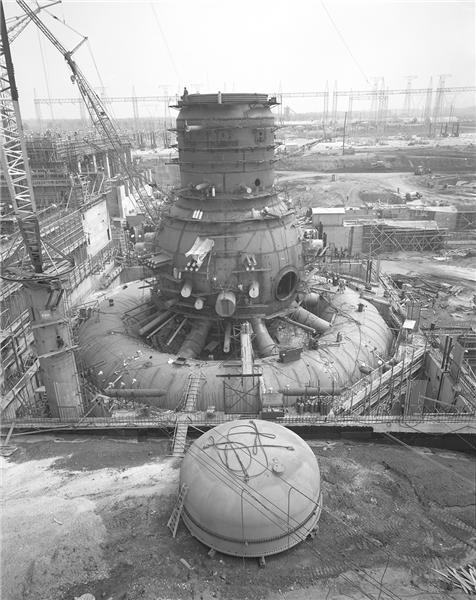
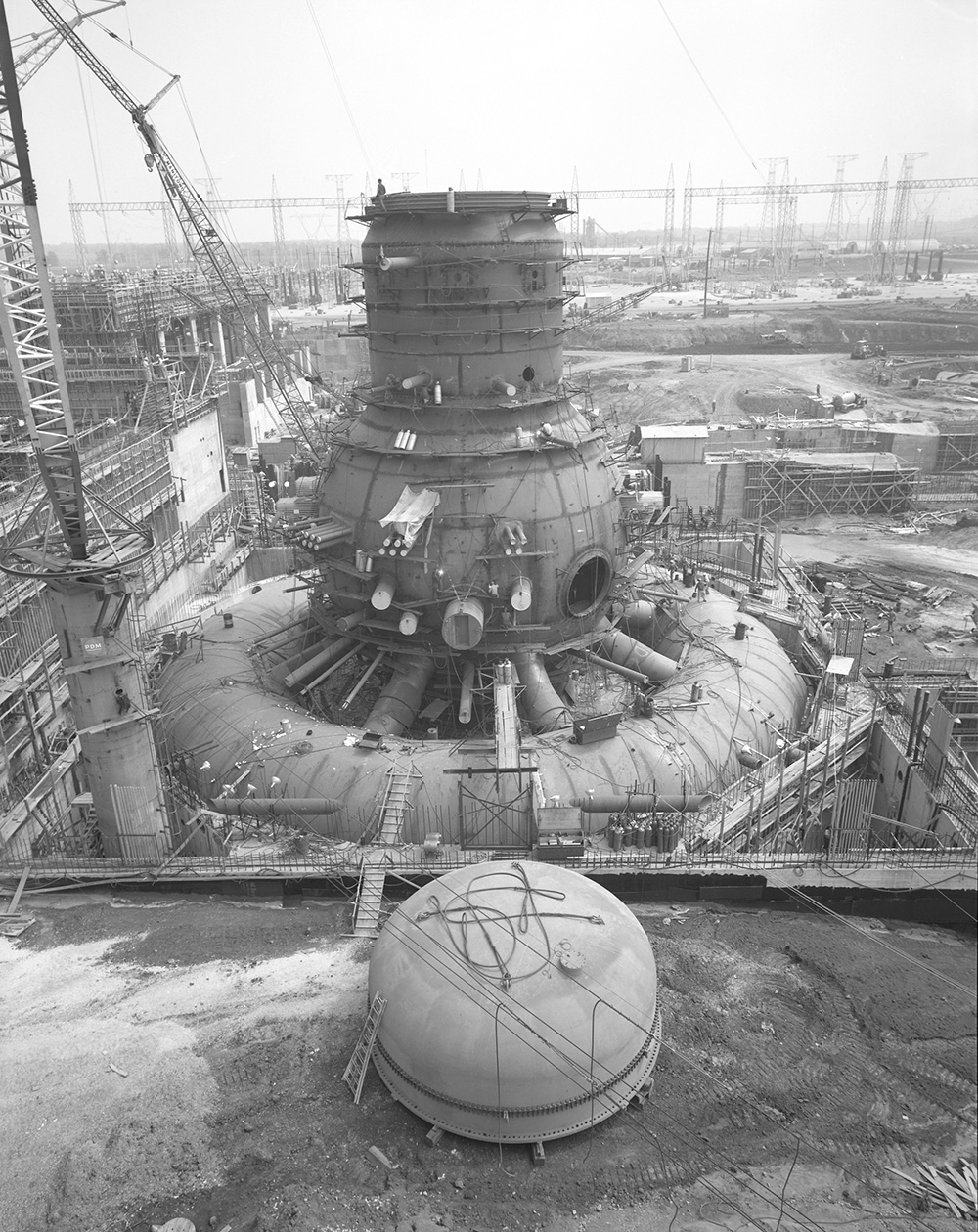
@John upload.wikimedia.org
by kgriff via Upload.wikimedia.org 3/26/2011 2:23:55 PM- A question about the latest WHO situation report ( www.wpro.who.int ).by ilginger 3/26/2011 2:27:37 PM
- @Stormy: I find it interesting, they talk about "puddles" in the media. 40cm is no puddle and I can't imagine some regional puddles of 1,5m in a turbine building. Isn't it flooded between 40cm and 1,5m depending on which building they talk? All I heard today they're trying to pump it out. No real status at my hands so farby Max 3/26/2011 2:27:44 PM
- TS: Naturally also many thanks for setting up this page ;-)by Max 3/26/2011 2:28:17 PM
- A question about the the latest WHO situation report: www.wpro.who.int
On page 16 I read: "China reported the detection of "abnormal" radioactivity levels of two Japanese passengers
from Japan to China on 23 March. According to the news reports, the two passengers were
living in Nagano Prefecture and Saitama Prefecture respectively in Japan and had not left their
prefecture after the earthquake. The measures implemented included the decontamination
and radiation injury treatment at the designated hospital for nuclear/radiation contamination
and medical treatment."
Saitama prefecture is near Tokio, and Nagano is 300 Km south Fukushima: what about this?
(Sorry for my english)by ilginger 3/26/2011 2:30:19 PM - I thought those were abnormally deep "puddles" myself. Do you know if they are pumping into a containment vessel of some kind or out to sea?by Stormy 3/26/2011 2:30:29 PM
 @jay77, as I see it, at Chernobyl the reactor was torn apart by a huge explosion and the core material was thrown high into the atmosphere. That has not happened here. Moreover, whatever material escaped into the air at Fukushima in the past two weeks was mostly blown toward the sea. Hence, the impacted land area will be smaller. As we already can see, the challenge will be organizing access to clean water and making sure that the food is safe. The government will have to set up countless monitoring stations primarily testing for long lived beta-emitter contamination. As long as there is no new large-scale release, the iodine problem will diminish within weeks because of the short half life of iodine-131. Your folks must not panic.by Peter Melzer 3/26/2011 2:33:07 PM
- @ilginger - If you go to page 3 of the archives on this on here, I asked a very similar question of Dean this morning and he responded. Page 3 about 3/4 of the way down the page. Hope this helps.by Stormy 3/26/2011 2:33:17 PM
 NHK's newsline indicated that the "puddles" in the turbine room were much deeper (if I understood correctly) today than Wednesday.by MaryMary 3/26/2011 2:33:38 PM
- Thank you MaryMary. I will check that out.by Stormy 3/26/2011 2:34:09 PM
 @Jay77 The chances for a large scale explosion have diminished immensely. There is still a very slight chance of a steam explosion that would release a huge amount of radiation, however if it hasn't happened yet, it probably won't. Now the big worry is the slow leak of nuclides into the environment. I believe if there is a crack in the reactor (NYtime aritcle) then the explosion would have already happened. The question is how do we go from playing "whack a mole" in the reactors to some sense of stability. And how do we seal these reactors up?
Chernobyl's "sarcophagus" is not working in the long term and they are in the process replacing it with a billion dollar movable structure. Fukushima is a huge plant with a total of 4 reactors needing containment. The job will be immense and we still have no idea how to do that in a seismically active region. Until it is sealed radiation will continue to seep, and eventually you may see far worse health effects then chernobyl if they don't figure it out.by Patrick Kelley 3/26/2011 2:35:59 PM- Some questions in the media about where to pump the water , but no real answers I've heard of. I think they simply have to pump it into the sea. Returning them as coolant into the reactor would be an alternative for me, as the radioactivity is no additional danger there, but I doubt if they have the possibility.
It would also be interesting how hot the water is there (in Celsius) to get a clue where it comes from.by Max 3/26/2011 2:36:09 PM - If I've understood the situation correctly, the puddles were found in the turbine buildings which are separated from the reactor buildings. Since some report mentioned that water may have leaked out of the reactor through an inflow valve, I suspect this is the case and not necessarily that water has seeped out from cracks in the reactors themselves, containments or spent fuel pools. All of the water that has been pumped into the reactor core but does not seem to have covered the core may have gone to the turbine buildings.by kb 3/26/2011 2:36:11 PM
 Good morning & thank you George.by Debra Beckham 3/26/2011 2:36:32 PM
- I think the best thing to do is to keep informed, and this blog is a Real good thing, because it multiply our information power: each one give the others what he have found. it's an information cluster... I repost a link for the Cnic ustream page, because they have as guest Mr Tanaka for some conferences today, a former ingenior and designer of Fukushima containment vessel. I found him very informative , the sad thing is that it's a bit hard to follow their recorded event, and it seem to be one missing for now. But it's translated in english, and if you have time, at least that man build it ... www.ustream.tv Cnic seem to be more "no nuclear", so take that in count, but Mr Tanaka give a good explanationby futureisnow 3/26/2011 2:36:36 PM
 @Peter Melzer @futureisnow @borrrden Thanks, that is what I have been suspecting. I'm suggesting they keep their bathtub filled with water in case the water supply gets contaminated again, and keep a good supply of food on-hand in case food gets hard to come by. Otherwise, they probably don't need to worry. If the worst scenario happened, of course, I'd still be hoping they book a flight back to the US and move away for a few years...by jay77 3/26/2011 2:38:11 PM
- @Stormy Thanksby ilginger 3/26/2011 2:38:31 PM
 @Max I think that this would be a very bad idea. They have already stated that the water is highly more radioactive than the water used to cool the core. You would run a very high risk of reaching criticality if you were to reinject this water back into a core that you are trying to "turn off".by Dennis Tucker Jr 3/26/2011 2:38:41 PM
- Thanks for setting up this!by Mejin 3/26/2011 2:38:56 PM
- @Max Increased levels of iodine in the ocean at the outflows seem to indicate they are letting it run into the sea. A point made on NHK this morning was that by getting the control rooms operational again, they can monitor temperature which a large rise in temp would indicate water coming from the reactor. They also mention, quite offhand, that it was considerably hotter in there than it had been.by MaryMary 3/26/2011 2:39:07 PM
- @Max Us Army have bring 2 barges of pure water, 500 000 gallons, with pipeline to allow pumping. for now, they seem to use itby futureisnow 3/26/2011 2:39:20 PM
 A couple of points to make about this blog - Reuters must use the enterprise addition of Scribble Live with additional API enhancements. I will make a few improvements today plus add a few more moderators.by George Gibb 3/26/2011 2:40:14 PM
 okay, I've been going over some of the data I noted. Some things popped out at me- y'all chime in. At first, radiation values were being given out for several locations: mp6, mp7, mp3 main gate, etc. But they've only been citing readings at the main gate since 21MAR. WHY? They even have IAEA and USA additional monitoring stations. Until 15Mar, they had temp. data on unit 4 spent fuel pool, generally reading at 84C. Normal is below 25C. Then on 24Mar, Nisa gave a reading of 100C, and then said it was a 'wrong indication'. on 20 Mar they said the pressure in unit 3 was getting to high at 320kPa and they might need to vent, but yesterday's reading was in the 400's,i f I remember correctly, and they don't say anything?by marie rich 3/26/2011 2:40:26 PM
- @Dennis Tucker Jr And the other thing is that this water is mostly Salt water, and they don't want no more inject salt water in core or spent fuel pools.by futureisnow 3/26/2011 2:40:50 PM
- @futureisnow I was going to ask about that---- have they checked the salinity of the water in those basements?by Dennis Tucker Jr 3/26/2011 2:41:49 PM
 Good Morning All:by Karen Warren 3/26/2011 2:41:58 PM
- @marie rich japan.failedrobot.com via fukushima.wikispaces.comby kgriff 3/26/2011 2:42:06 PM
- @Dennis Tucker Yes, look here: www.nisa.meti.go.jpby kb 3/26/2011 2:42:36 PM
- Good morning, George and all. I mostly lurked at Reuters but am a part of the Facebook group from last night. (Just to introduce myself)by Good morning...Wow, same... 3/26/2011 2:43:18 PM
 Morning all. Things holding up, I take it.by Jim Carver 3/26/2011 2:43:19 PM
- @Dennis Tucker Jr I don't know, I have not found the information anywhere. But, considering that they pump salt water since 14 days, it's likely it is mostly salt water. [opinion]by futureisnow 3/26/2011 2:43:31 PM
- Thank you kb, I saw that earlier. It does not indicate salinity values however.by Dennis Tucker Jr 3/26/2011 2:43:45 PM
- Thanks, @Terratalk and @vindolin for the tip to lotsa great links at fukushima.wikispaces.com. Pardon the laggard response. I was quite bushed ("lowbatt" in our local street lingo here) and had to retire earlier tonight (GMT+8) than expected. Just a quick ack that, indeed, I got your referrals. Will work on those...by Albert Lee in Manila 3/26/2011 2:43:50 PM
 www.rerf.jp Radiation Effects Research Foundation "Safety standards — such as the one that limits drinking water exposure for infants— are based on extrapolation....mainly from a 60-year study of health effects of the atomic bombs dropped on Hiroshima and Nagasaki in August 1945." www.npr.orgby Pat 3/26/2011 2:44:01 PM
- @futureisnow The implication of it being saltwater would REALLY help determine it's true source.by Dennis Tucker Jr 3/26/2011 2:44:17 PM
- www.nisa.meti.go.jp Radiation levels in the suppression chamber of Unit 1 are considerably higher than in the other units. Also, the pressure in the dry well and the suppression chamber is exactly the same at 0.270 MPa abs. Could this be proof of a breach?by kb 3/26/2011 2:45:15 PM
- @Dennis Tucker Sorry, i read that as 'sanity values' and thought you were asking about radioactivity. My bad!by kb 3/26/2011 2:45:54 PM
Japan Earthquake | Page 21
- Who's Blogging
-
 hudebnik
 alblee
 UKVal
UKVal Oliver (ScribbleLive)
 Jonathan Keebler
 kaykodh
 PKelley
 Markfm
 Angie
Angie Deb
Deb Mid Valley
- Pedro Jesus
 Matt (ScribbleLive)
- George Gibb
 elainekirk
 lillymunster
 dean
dean bo
bo Edano
Edano IanGoddard