Japan Earthquake | Page 701
 Until this point, the nuclear safety agency had been saying the No. 4 reactor was relatively stable. TEPCO had repeatedly said the No. 4 reactor had been stopped and as long as there was water in the spent fuel storage pool, things would be fine. The firm had been frantically trying to deal with the crises that kept erupting at the Nos. 1-3 reactors, like a deadly game of whack-a-mole. www.yomiuri.co.jpby Rob in SF 4/14/2011 10:44:17 AM
 @sinthia found you in mod and you are back on autoby elainekirk 4/14/2011 10:44:43 AM
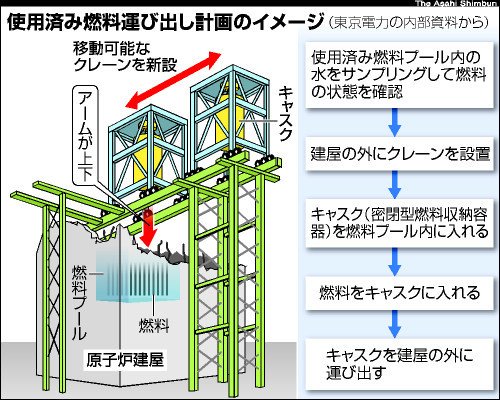
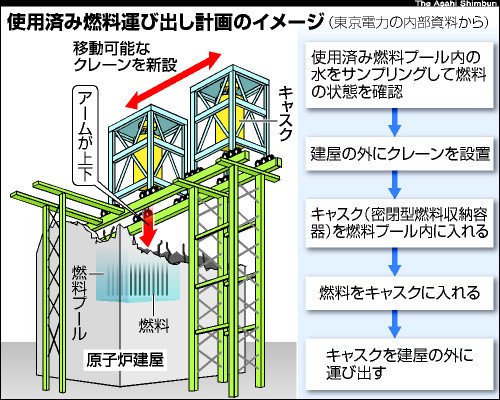
@Rob in SF have you seen this www.asahi.com
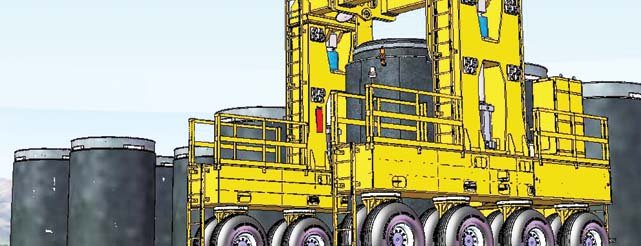
by NHK Listener via Asahi 4/14/2011 10:48:43 AM- @NHK Listener Are those dry casks in the blue frames?by Rob in SF 4/14/2011 10:50:21 AM
- @Rob in SF The yellow things are supposed to be..by NHK Listener 4/14/2011 10:52:02 AM
- @NHK Listener Yeah. Hope they have good riggers...by Rob in SF 4/14/2011 10:52:31 AM
- @Rob in SF That is a mock up of the idea.. Not sure how realistic it is.. Dry casks are way heavyby NHK Listener 4/14/2011 10:53:23 AM
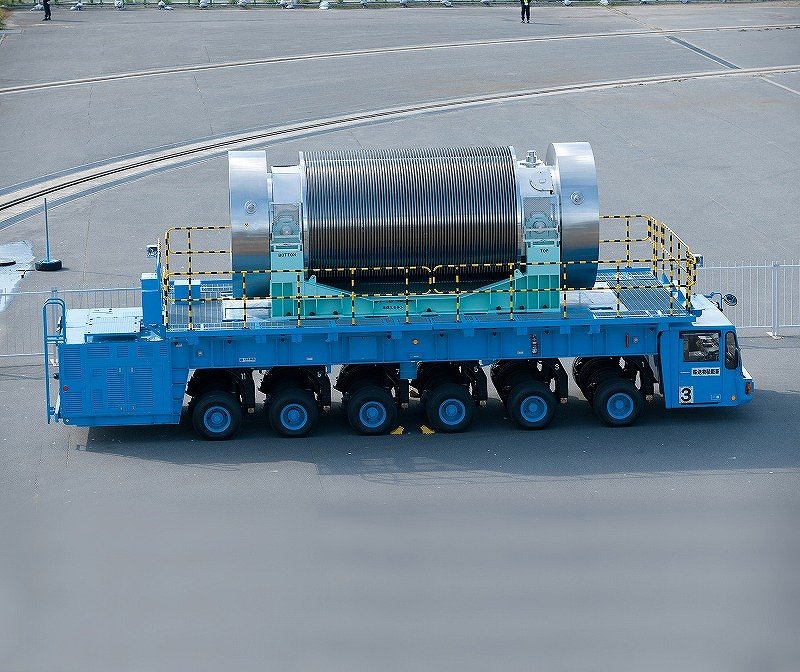
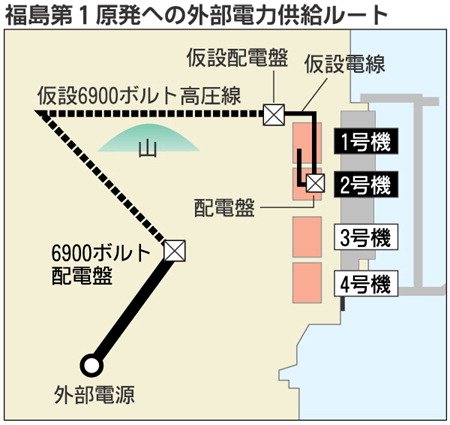
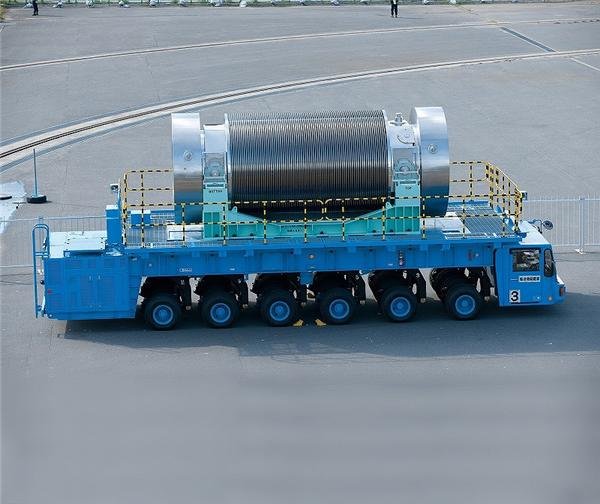 by NHK Listener via Tepco.co.jp 4/14/2011 10:54:13 AM
 @Rob in SF - isn't the fuel supposed to be fairly cool to go into a dry cask?by hudebnik 4/14/2011 10:55:54 AM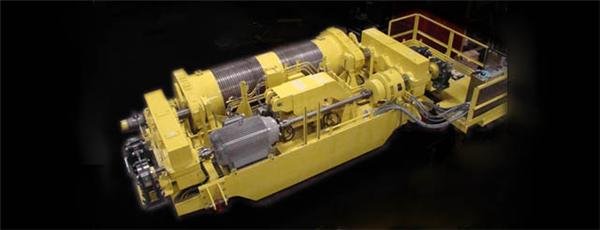
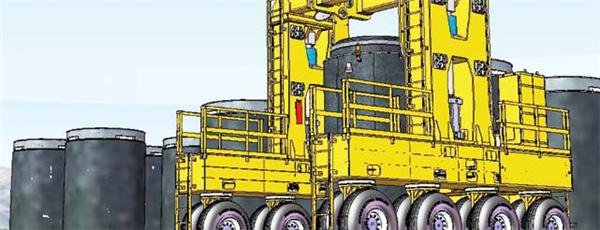
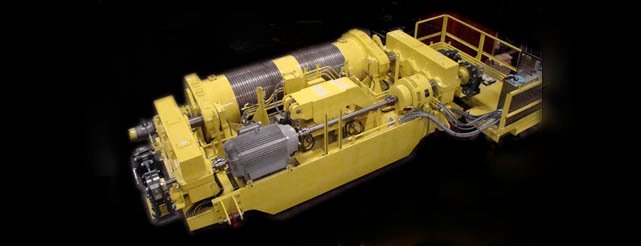
@NHK Listener Big time heavy... www.morriscranes.com www.morriscranes.com
by Rob in SF via Morriscranes 4/14/2011 10:59:02 AM- by Rob in SF via Morriscranes 4/14/2011 10:59:17 AM
- by hudebnik 4/14/2011 10:59:38 AM
- @hudebnik 5 years? 10?by Rob in SF 4/14/2011 11:00:19 AM
- "Fuel that has been stored for at least five years in water has cooled sufficiently, and its radioactivity decreased enough, for it to be removed from the spent fuel pool and loaded into casks"
www.nrc.gov (sorry about the false start)by hudebnik 4/14/2011 11:00:28 AM - Talk about an expensive clean-up. 30 years+...by Rob in SF 4/14/2011 11:04:08 AM
- I wonder if they will try and transplant them before they are cooledby NHK Listener 4/14/2011 11:07:34 AM
- @NHK Listener Wet Cask storage perhaps?by Rob in SF 4/14/2011 11:08:19 AM
- @Rob in SF Yeah must be some way.. I have a hard time seeing them pouring water by pump truck for 5 yearsby NHK Listener 4/14/2011 11:10:48 AM
- Tepco have dry casks in storage and one problem they are aware of from periodical assessments is that moisture affects the seals on them so I would guess that they need to check the integrity of their present stores before even thinking of adding to themby elainekirk 4/14/2011 11:11:13 AM
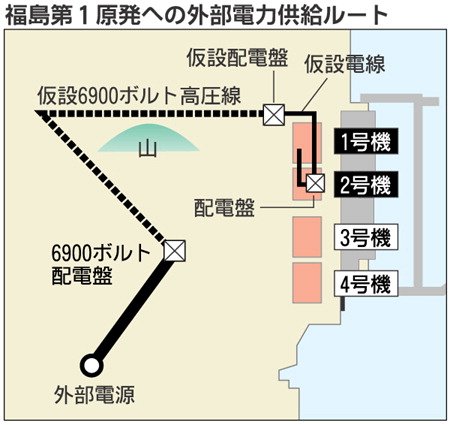
The #2 pumping plan? 24.media.tumblr.com
by Rob in SF via 24.media.tumblr 4/14/2011 11:13:22 AM- Japanese Government Internet TV nettv.gov-online.go.jpby NHK Listener 4/14/2011 11:16:56 AM
 Scientists say aftershocks far from over
'The professor anticipates the rise in seismic activity in eastern Japan will continue for four or five years. He said magnitude-7 quakes "are likely to occur once or twice in the next month."
After that, they can be expected to happen once in two months. The occurrence of such huge earthquakes will gradually decrease to once in a half year. But the possibility remains that a magnitude-8 earthquake could happen at any time," Yamaoka warned.' www.yomiuri.co.jpby janet-k 4/14/2011 11:17:02 AM- i doubt the casks are made for damaged fuel, like bend, broken or partly molten rods. if they want to really move them, they will have to construct special boxes first.by Edano 4/14/2011 11:22:34 AM
- by Rob in SF 4/14/2011 11:24:36 AM
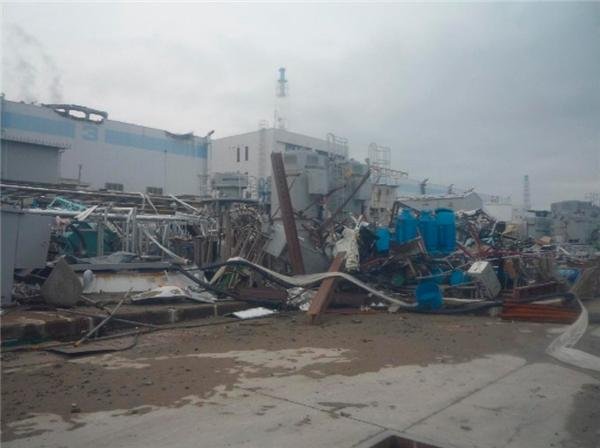
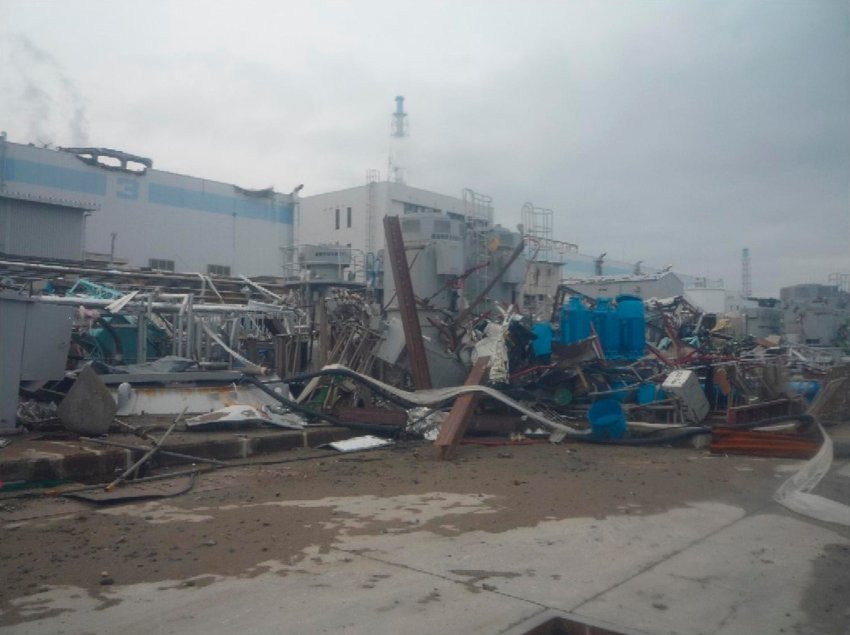
www.spiegel.de is this rusty rod the one that we examined so intensively, when it was on the other side, between #3 and 4 ?
by Edano via Spiegel.de 4/14/2011 11:27:56 AM @NHK Listener: if they want to remove the fuel as soon as possible, I guess they need to move them into wet casts and move them to the common fuel pool. Wet casts would be even heavier than dry ones.by Jocelyn Mayer 4/14/2011 11:32:23 AM
- @Jocelyn Mayer yeah at least 8 feet wide and 19 feet long. about 4600kg of water not including the caskby NHK Listener 4/14/2011 11:45:53 AM
- @NHK Listener: I guess it would be larger: to contain radiation they also need to have meters of water around the fuel. Or maybe a heavy shielding (lead, steel ?...). I know this kind of casts exists; will look for infos...by Jocelyn Mayer 4/14/2011 11:49:59 AM

legacy.signonsandiego.com
SAVE THE BUGS! Contrary to her colleague's declared wisdom, Hesse-Honegger said her research indicates true bugs are significantly affected by even low doses of artificial radiation. In areas around nuclear power plants and processing facilities in Switzerland, France and Germany, for example, more than 30 percent of the bugs collected and examined exhibited physical damage: missing antenna sections, malformed wings, asymmetric body segments, ulcers, black spots or altered pigmentation. legacy.signonsandiego.com
Cornelia Hesse-Honegger, a scientific illustrator from Zurich, Switzerland, has collected more than 16,000 insect specimens ‘throughout Europe and from every continent except Australia, visiting fields and forests, homes and gardens near working nuclear plants and waste sites.’ Her conclusions are clear: ‘more than 30 percent of the bugs collected and examined exhibited physical damage.’ So what about humans? Are these bugs the equivalent of the canaries used in mines in the past? Read more… www.zdnet.com
Also, the IAEA on insects, and nuclear sterilization... www.iaea.orgby Rob in SF via Legacy.signonsandiego 4/14/2011 11:52:12 AM Morning all. This quote from Ralph's linked article just adds to the pile of evidence that the power that be knew something like this could happen yet nothing was done.. In the 1970s, criticism amplified that the Mark 1's concrete containment shield, which surrounds the reactor vessel, was vulnerable to explosion caused by a buildup of hydrogen gas if the reactor overheated.by Nancy 4/14/2011 11:59:45 AM
- hi Nancyby Jocelyn Mayer 4/14/2011 12:00:18 PM
- @Rob in SF : the IAEA article is scandalous ! but it is dated to 2/1987.by Edano 4/14/2011 12:05:19 PM
- @all. Elaine found these reports last night. I did a bit of digging and found additional documents. I showed this PDF to Dean last night. He thought it was a useful format for information. They also may contain new data about times things happened and events we may not already have documented or an exact time for the incident. Please take a look at it. Let me know if these are useful. If they are I will make a routine to pull them on a daily basis. japan.mfa.gov.geby Nancy edited by elainekirk 4/14/2011 12:05:38 PM
- @NHK Listener: B type containers here:
www.cna.ca
"B type | high activity | high risk | used for [...] irradiated nuclear fuel | description: steel container shielded with depleted uranium or lead, minimal weight of 35 tonnes, able to sustain a 9 meters drop on a hard surface or 1 meter on a steel tip, able to sustain 30 minutes of a 800 °C fire and 8 hours of immersion under 15 meters of water"by Jocelyn Mayer 4/14/2011 12:06:00 PM - @Nancy thankyou I found some dimensions put them on the other pageby elainekirk 4/14/2011 12:06:32 PM
- @elainekirk morning elaine! The Georgian website that doc you found originated from seems to be quite the stash of information. What I need to know is if it is new data or a more useful format. They seem to be getting data from the Japanese and translating it into English.by Nancy 4/14/2011 12:09:34 PM
 good morning, eve, nite,,, to all ..by dean 4/14/2011 12:10:25 PM
- Contaminants in food - food testing results as of 4.12.2011 from Georgia govt. (country not state) japan.mfa.gov.geby Nancy 4/14/2011 12:10:33 PM
- @Nancy @elainekirk: isn't this document part of the twice a day NISA report ? Looks like... There's another one for reference, which seem to be the Tepco report; it's useful because it seem there sometimes have been mistakes (from NISA ?) in data reports.by Jocelyn Mayer 4/14/2011 12:10:34 PM
- @Jocelyn Mayer are these more comprehensive? The contaminents in food, I didn't think we had access to that level of detail about testing?by Nancy 4/14/2011 12:11:40 PM
- @Dean Greetingsby hudebnik 4/14/2011 12:12:34 PM
- @Nancy @jocelyn I think that is a great format who maintains the fukushimadata wiki? maybe they would like them tooby elainekirk 4/14/2011 12:13:03 PM
- Another food testing document with details by area testing was done japan.mfa.gov.geby Nancy 4/14/2011 12:13:21 PM
- @Rob in SF : the IAEA article is scandalous ! but it is dated to 2/1987.by Edano 4/14/2011 12:13:48 PM
- @elainekirk I think jo? Is jojo the same as jo, can't keep up with people's multiple logins. :-)by Nancy 4/14/2011 12:13:54 PM



Japan Earthquake | Page 701
- Who's Blogging
-
 hudebnik
 alblee
 UKVal
UKVal Oliver (ScribbleLive)
 Jonathan Keebler
 kaykodh
 PKelley
 Markfm
 Angie
Angie Deb
Deb Mid Valley
- Pedro Jesus
 Matt (ScribbleLive)
 George Gibb
- elainekirk
 lillymunster
 dean
dean bo
bo Edano
Edano IanGoddard