
this all does not sound very clear.
by Edano 7/19/2011 4:01:23 PM
''cold shutdown'' of the reactors by January.
by Edano 7/19/2011 4:01:55 PM

article on the cold shutdown and sending people home nonsense. I have it set to go live in abt 8 hours. Please let me know if I need to change any of the information in the article or think it needs something added etc.
wp.meby lillymunster 7/19/2011 4:03:57 PM
@Edano cold shutdown, just like "family values" was used in some of the past US elections. Sounds good but nobody can define it. :-)
by lillymunster 7/19/2011 4:04:46 PM
@lillymunster : it is defined, for a sound reactor. but they misuse it in this case of a disaster. (btw: your link is wrong)
by Edano 7/19/2011 4:05:55 PM
"At present, the maximum amount of such substances leaking from the damaged Nos. 1 to 3 reactors is 1 billion becquerels per hour, around one two-millionth of the level at the time of the accident, the utility known as TEPCO said."
english.kyodonews.jpby Edano 7/19/2011 4:11:39 PM
@Edano what did it go to?
by lillymunster 7/19/2011 4:12:06 PM
@lillymunster the link to your article
wp.me does not work.
by Edano 7/19/2011 4:12:52 PM
@Edano does it just die or show you something? It works for me but I am logged in over there.
by lillymunster 7/19/2011 4:15:11 PM
@lillymunster 404 (Page Not Found) Error , redirected to
houseoffoust.comby Edano 7/19/2011 4:15:41 PM
@Edano ah, thanks. Will post here, kinda long...
by lillymunster 7/19/2011 4:18:44 PM
The Japanese government has been touting this "cold shutdown" myth extensively over the last week. As Ex-SKF put it, the "extend and pretend" strategy. The government seems to think it means under 100 degrees celsius and atmospheric pressure for the coolant system. The Wikipedia entry goes on to include having no fuel movement and or control systems maintenance in progress.
From wiki: The shutdown margin is defined in terms of reactivity, Shutdown margin can refer either to the margin by which the reactor is subcritical when all control rods are inserted
The reactor vessels are breached, unit 3's containment has been breached since March 21st. #2's containment has a known hole in it and #1's leaking like a sieve through the basement. The water circulation systems are not "closed loops". Pumping standing water out of turbine buildings and trenches to reuse for cooling would not be considered a closed loop system. The crude system being used is certainly helping keep the amount of contaminated water created to a lower number but this is not a closed loop. Since the primary containment structures can not be sealed, ground and sea water are still at risk as is the air.
No one at TEPCO knows where the fuel cores are currently located. This is not "cold shutdown" and will never meet that measure. Have they achieved a certain level of stability? Yes. Have they made the plant stable? Absolutely not. Unit 3 is leaking nitrogen and is still at risk of a hydrogen explosion. Unit 4's spent fuel pool still does not have a cooling system and the building itself is known to be unstable. The government of Japan needs to be honest with people and give them truthful information. The obviously skewed and spun information just increases the anxiety of people.
The constant claims that people will go home soon and the intention to lift the evacuation zone are not just dishonest, some aspects border on being criminal. The 20km evacuation zone will likely be unsafe forever or at least for such a long time it falls out of our scope of planning for the future. Chernobyl today still has a 30km no mans zone around the plant 25 years later with no plans of it being habitable any time soon. This zone has also been expanded over the years.
The spread of radiation from Fukushima Daiichi was considerable. There were four hydrogen explosions including the massive blast at unit 3 that spewed plutonium laced fuel outside of the plant. Today plutonium is being found in car air filters in Fukushima prefecture. Even 25 years later mushrooms from Belarus are radioactive and unsafe to eat due to Chernobyl. There is radiation in significant amounts, with long half life dangerous isotopes, not just in the 20km exclusion zone but far further out into the region around the plant. The plant has also not stopped spewing radiation. Even today, four months since the disaster the plant is spewing 1 billion bq/hour all day every day. The steam plumes churning into the sky can be seen every night and early morning on the two web cams pointed at the plant.
It is cruel to continue to tell people they will go home soon. Two options exist. Either they will go home and live in a dangerous highly contaminated environment that will likely lead to increased serious illnesses or untimely death. Or they hang on for months, maybe years to the illusion that they will be going home, keeping their lives on hold. While these people are left in limbo they are unable to obtain help rebuilding their lives, homes or businesses. Declaring people can go back to the obviously unsafe areas will take away even more assistance as the government will now have an excuse to cut them off from benefits or compensation.
The impact on people's lives and livelihoods is gradually being understood. The reality of a reactive government and an insecure food supply expands daily. More about the true impact of the unfolding events can be found here in this excellent article by Dr. Robert Jacobs of the Hiroshima Peace Institute.
From Event to Aftermath at Fukushima:
The Growing Awareness of the Radioactive Impact
This article has been compiled based on the many efforts, research and analysis of the members of SimplyInfo.org
by lillymunster 7/19/2011 4:19:05 PM
@Bobby1 thanks, the actual one has links to things cited, they didn't come through.
by lillymunster 7/19/2011 4:24:13 PM
@lillymunster : slight correction: below 95° . other scources say 90°, because water above 90° can still be boiling.
by Edano 7/19/2011 4:26:35 PM
@Edano changed on the original. Thanks.
@Bobby, go ahead.
by lillymunster 7/19/2011 4:27:48 PM
@Bobby1 : why should they die from fuku ? cancer takes years to kill.
by Edano 7/19/2011 4:33:48 PM
@Edano If someone had cancer could low level exposure stress their system or lower their ability to fight the disease?
by lillymunster 7/19/2011 4:36:34 PM
@lillymunster not that i heard of.
by Edano 7/19/2011 4:38:59 PM
@Bobby1 he refers to the liquidators ?
by Edano 7/19/2011 4:39:30 PM
@LM : or the weather
by Edano 7/19/2011 4:43:09 PM
i think someone should at first check japan's death rate before making unscientific assumptions about the US.
by Edano 7/19/2011 4:46:36 PM
I think it is certainly intriguing. Grabbing more factors and seeing how those play out in conjunction with the fallout rates could give some interesting results.
by lillymunster 7/19/2011 4:48:36 PM
@Bobby1 other factors should add in if possible including people's income status, insurance status, weather during the time range and other disease outbreaks. It is common for cause of death to be wrong or not fully explaining the circumstances. All those other factors help shape the story. There may also be certain populations more at risk for radiation exposure based on something not thought of right away. IE: if lower income people had less air conditioning and this direct exposure to air outside increased their risk or people who were outside more vs. those who stayed inside during periods where the levels were high. I know some of this is likely too detailed to obtain but I think you get what I was pointing to. All of this both builds a clearer case and removes doubts.
by lillymunster 7/19/2011 4:57:53 PM

greetings to all.. here for a few hours..
by dean 7/19/2011 5:01:26 PM
 @Panserbjorne9 , according to the NISA report, "The discharged amount (into the atmoshpere) since early April has been declining and is about 10e11 Bq/h to 10e12 Bq/h in iodine-131 equivalent." Therefore , irockhopper may be correct.by Peter Melzer 7/19/2011 4:08:53 PM
 @lillymunster Looks great!by Bobby1 7/19/2011 4:22:43 PM
 @lillymunster well done and well saidby Panserbjorne9 7/19/2011 4:28:43 PM
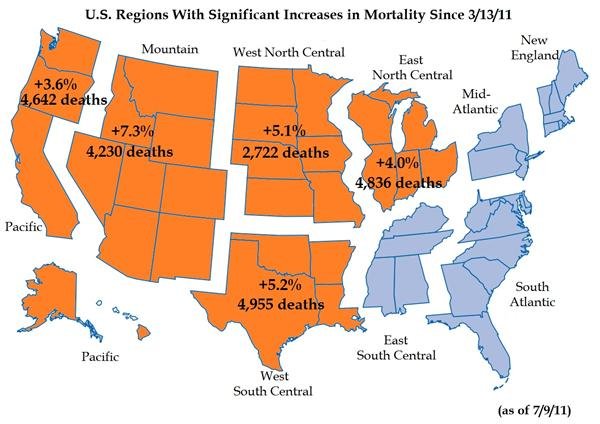 by Bobby1 via I51.tinypic 7/19/2011 4:30:38 PM
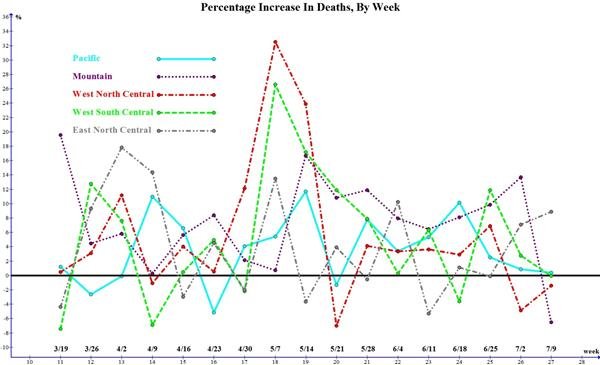 by Bobby1 via I56.tinypic 7/19/2011 4:41:10 PM
 @all The economic downturn could also be a contributing factor along with a decrease in medical coverage for the growing uninsured population.by LM 7/19/2011 4:41:51 PM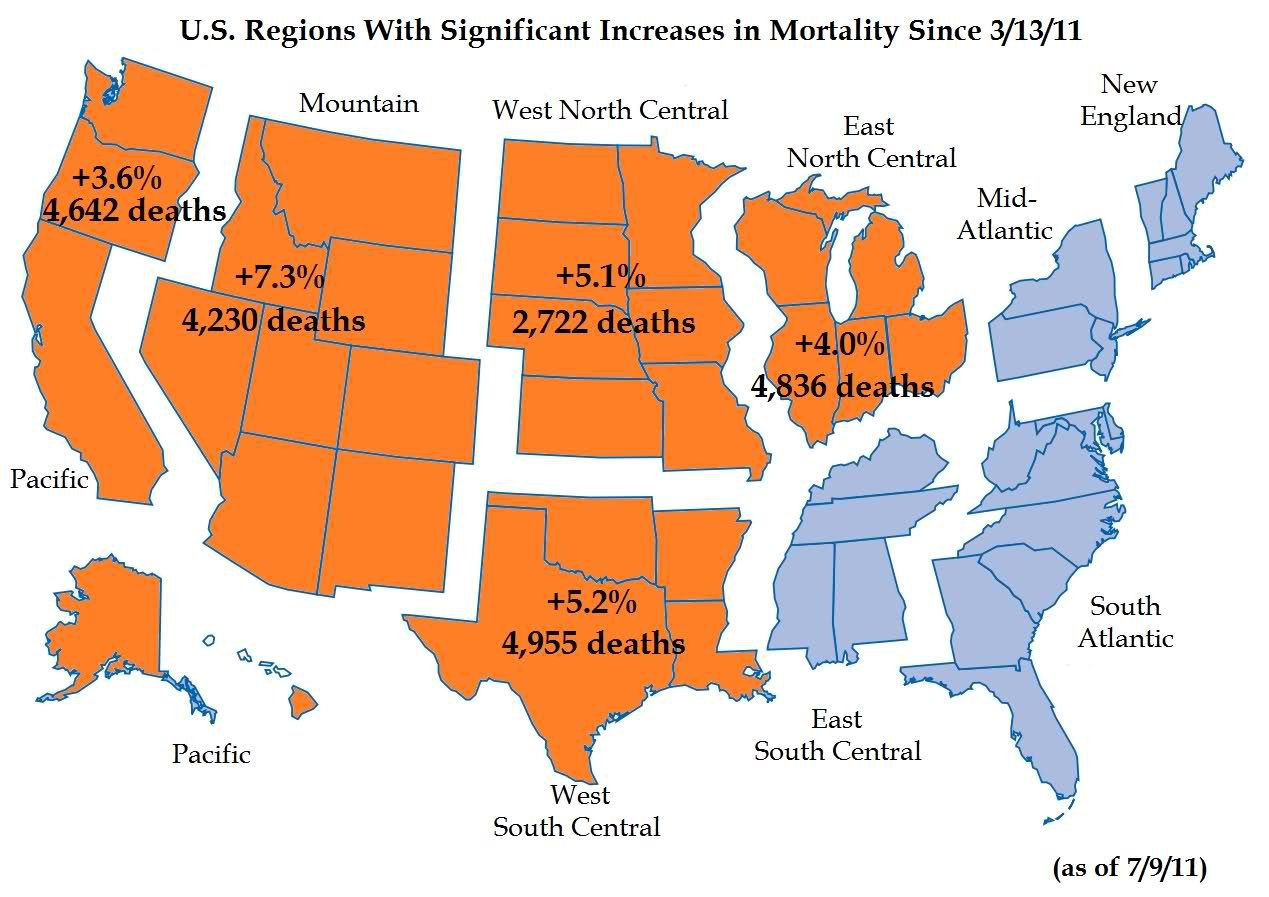
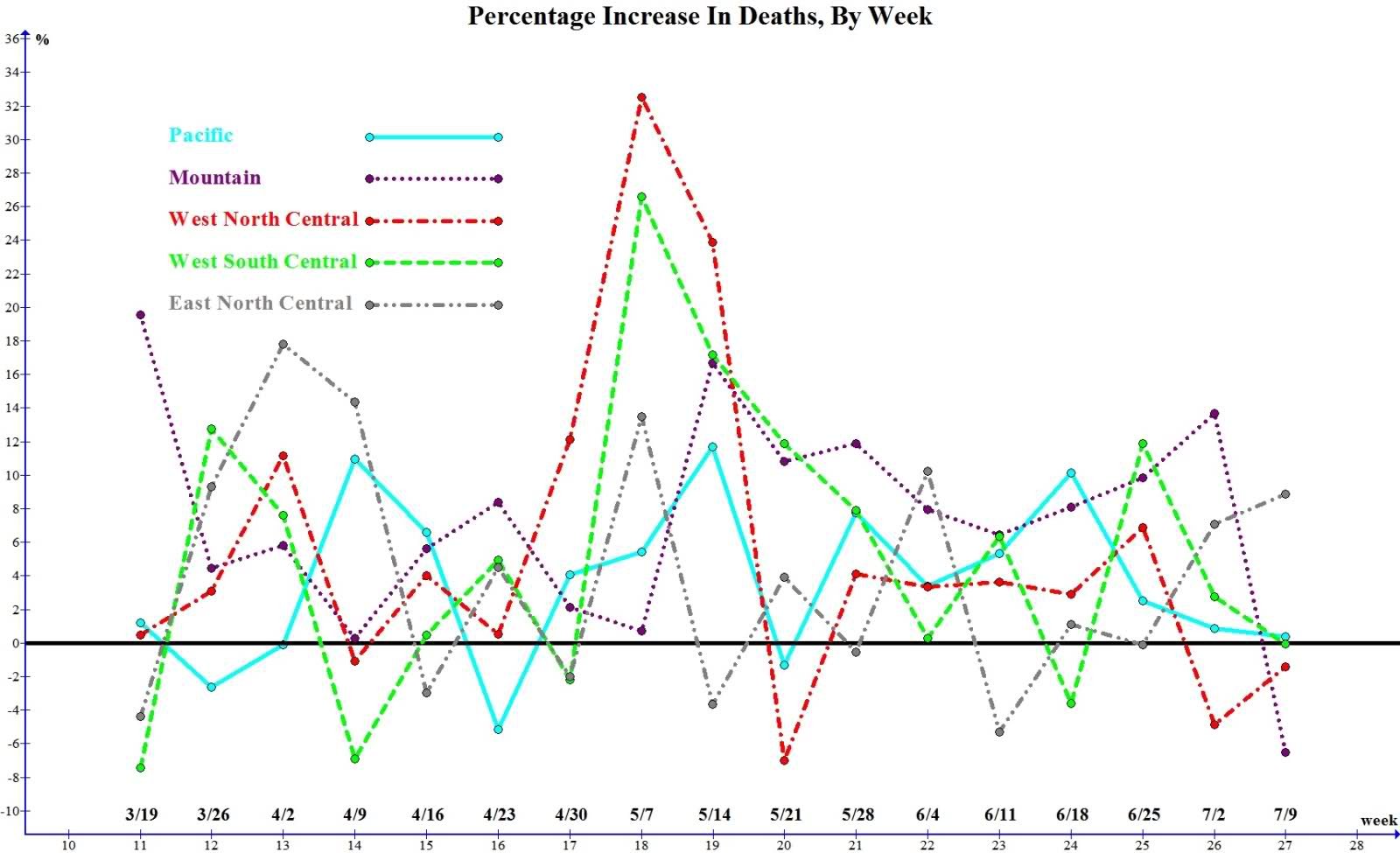
 hudebnik
 alblee
 UKVal
UKVal Jonathan Keebler
 Oliver (ScribbleLive)
 kaykodh
 Markfm
 Angie
Angie Mid Valley
 Matt (ScribbleLive)
 George Gibb
 elainekirk
 PKelley
 bo
bo Deb
Deb Pedro Jesus
 IanGoddard