Japan Earthquake | Page 706
 @Mid Valley not THE thing going on but one of many. The contamination issue has been talked about off and on all along. If you read back a few pages you will see lots of other conversation still around forensics and fact finding, data on the reactors, images, future plans to solve the situation with the reactors etc etcby Nancy 4/14/2011 6:09:28 PM
 @gabe I doubt that the leak they allegedly stopped was the only leak out to the ocean. There were two different sets of pics that surfaced claiming to be "the" leak. You have to think the 9.0 quake created a large number of cracks in the foundation of the Fukushima nuclear facility. With all of the water being poured into the reactor buildings, some is leaking out to the ocean, and some leaking into the groundwater.by James Ward 4/14/2011 6:09:32 PM
 In case you haven't seen.
"The health outcome of the Fukushima catastropheInitial analysis from risk model of theEuropean Committee on Radiation Risk ECRRChris BusbyGreen Audit; Occasional Paper 2011/7Aberystwyth UK, 30th March 2011":http://www.scribd.com/doc/52015430/fukuhealthreptby ColorMeRed 4/14/2011 6:10:33 PM- @James Ward I noticed something looking at the PDF reports for 5 & 6 that they were releasing water into the ocean on them but I don't think that was as widely reported.by Nancy 4/14/2011 6:10:44 PM
- PLEASE REMOVE earlier post as I shortened the URL here In case you haven't seen.
"The health outcome of the Fukushima catastropheInitial analysis from risk model of theEuropean Committee on Radiation Risk ECRRChris BusbyGreen Audit; Occasional Paper 2011/7Aberystwyth UK, 30th Marchhttp://tinyurl.com/3lbyv5kby ColorMeRed 4/14/2011 6:12:25 PM  @Mid Valley transport.nilu.no www.youtube.com Useful links. I'm in Oregon as well.by Tenzing 4/14/2011 6:13:22 PM
 @Nancy Sorry for the delay... I had to make a few adjustments before posting the URL to the blog. There are a few, actually, in varying degrees of completion as of last August when the project got shelved while we addressed more pressing issues. Since then I've just used my space for things I wanted to point to. The main blog, is mixingboard.ozcatradio.com I just disabled unregistered comments to keep the comment spam out for now. The DJ blog is mostly set up but unused but for me. The other one is not going to be wordpress any more. It's going to be scribble live. I'll post a static page on the main one to post.by radioguy 4/14/2011 6:13:23 PM
- Sorry...that didn't owrk...here is the report...http://tinyurl.com/3lbyv5kby ColorMeRed 4/14/2011 6:13:31 PM
 @ColorMeRed : leave a space before and after the url.by Edano 4/14/2011 6:13:31 PM
- Ty.. tinyurl.comby ColorMeRed 4/14/2011 6:14:04 PM
- @Peter Melzer "Downwinders" en.wikipedia.org QUOTE: "In 1980, People magazine revealed some consequences of continental nuclear testing for American citizens. The magazine disclosed that of some 220 cast and crew who filmed a 1956 film, The Conqueror, on location near St. George, Utah, ninety-one had come down with cancer, with an unheard of 41 per cent morbidity rate.[6] Of these, forty-six had died of cancer by 1980. Among the victims were John Wayne and Susan Hayward, the stars of the film.[6]"by James Ward 4/14/2011 6:17:31 PM
- @ColorMeRed : "The ECRR risk model has been applied to the 3 million people living in the100km radius of the Fukushima catastrophe. Assuming these people remainliving there for one year the number of excess cancers predicted by the method isapproximately 200,000 in the next 50 years with 100,000 being diagnosed in the next 10 years. If they are evacuated immediately, the number will fall by asignificant amount. For those 7 million living between 100km and 200km fromthe site, the predicted number of cancers is slightly greater with 220,000 extra cancers in the next 50 years and about 100,000 being expressed in the next ten years. These predictions are based on the ECRR risk model and also the findings of cancer risk on Sweden after the Chernobyl accident."by Edano 4/14/2011 6:17:45 PM
- NRC Rst Assessment 26march11 tinyurl.comby ColorMeRed 4/14/2011 6:17:55 PM
 @Mid Valley The plume you had last night is lightening up, it is moving into the Great Plains, and will shift north to northern michigan and finally to Canada.by Bobby1 4/14/2011 6:18:07 PM
- @ColorMeRed : "It is recommended that populations living within the 100km zone to the NorthWest of the site are immediately evacuated and the zone is made an exclusionzone."by Edano 4/14/2011 6:20:24 PM
- by Tenzing 4/14/2011 6:20:58 PM
 @nancy. I mean no offense, really. The focus on forensics is greatly appreciated. The fact finding and technical review of data being generated at multiple sites gives me hope that truth is alive and well. Thanks for your reply!by Mid Valley 4/14/2011 6:23:18 PM
- 2010 Recommendations of the ECRR The Health Effects of Exposure to Low Doses of Ionizing Radiation www.euradcom.orgby Tenzing 4/14/2011 6:23:39 PM
- IFRRR International Foundation for Research on Radioactivity Risk www.ifrrr.orgby Tenzing 4/14/2011 6:24:31 PM
- @Mid Valley none taken at all. :-)by Nancy 4/14/2011 6:26:19 PM
- ECRR Risk Model and radiation from Fukushima Chris Busby Scientific Secretary March 19 2011 www.euradcom.orgby Tenzing 4/14/2011 6:26:46 PM

Added On April 14, 2011Animals trapped in the evacuation zone near the nuclear plant wait for rescue to escape death. CNN's Kyung Lah reports.
by Sin 4/14/2011 6:27:02 PM
The health outcome of the Fukushima catastropheInitial analysis from risk model of theEuropean Committee on Radiation Risk ECRR pdf version better to read and download anti-atom.ruby Edano 4/14/2011 6:27:51 PM- by Tenzing 4/14/2011 6:27:54 PM
Added On April 14, 2011Photographer Athit Perawongmetha documents the ghost town left behind by the nuclear crisis in Japan. What he found was a "time stop."
by Sin 4/14/2011 6:31:43 PM- Monday 11th April 2011 1st paragraph updated 12th April
Advice for the people of Japan
Large areas of Japan are contaminated to measured levels around 1 microsievert per hour. This figure is just for Caesium 137; it does not measure the alpha-emitting radionuclides Plutonium and Uranium. These contaminants are the real threat to health. No official sources are saying anything about this hazard although hundreds of tonnes of Uranium and Plutonium are missing from the spent fuel ponds. It's known that up to 1760 tonnes of spent fuel was stored on site. Some of it was in pools in the roofs of reactor containments which these high resolution aerial photos show to be absent, following explosions. www.llrc.orgby Tenzing 4/14/2011 6:33:38 PM - I'm trying of get an idea of the chemical compounds of iodine, cesium, and strontium that are likely traveling in the atmosphere. Does anyone know which ones are smaller or lighter vs the other ones?by Bobby1 4/14/2011 6:35:29 PM
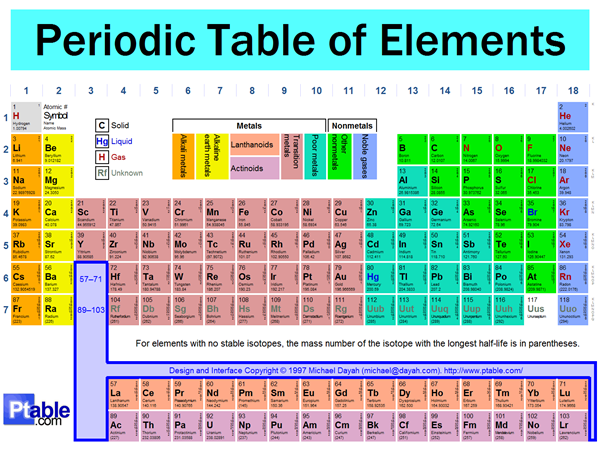
@Bobby1 : 2.bp.blogspot.com ?
by Edano via 2.bp.blogspot 4/14/2011 6:37:55 PM- @Bobby1 : the compounds are a good question. oxids probably ???by Edano 4/14/2011 6:41:43 PM
- Conclusions and recommendations
1. The ECRR risk model has been applied to the 3 million people living in the
100km radius of the Fukushima catastrophe. Assuming these people remain
living there for one year the number of excess cancers predicted by the method is
approximately 200,000 in the next 50 years with 100,000 being diagnosed in the
next 10 years. If they are evacuated immediately, the number will fall by a
significant amount. For those 7 million living between 100km and 200km from
the site, the predicted number of cancers is slightly greater with 220,000 extra
cancers in the next 50 years and about 100,000 being expressed in the next ten
years. These predictions are based on the ECRR risk model and also the findings
of cancer risk on Sweden after the Chernobyl accident.
2. The ICRP model predicts 2838 extra cancers in the 100km population. The
eventual yield will therefore be another test of the two risk models.
3. Calculations based on official gamma dose rates published by the Japanese
Ministry MEXT can be used to back calculate surface contamination at the
positions of the measurements using accepted scientific methods. The results
show that the IAEA reports have significantly under reported the contamination
levels
4. It is recommended that urgent attention is given to making isotope specific
ground contamination measurements.
5. It is recommended that populations living within the 100km zone to the North
West of the site are immediately evacuated and the zone is made an exclusion
zone.
6. The ICRP risk model should be abandoned and all political decisions should
be made on the basis of the recommendations of the European Committee on
Radiation Risk www.euradcom.org This is the conclusion of the eminent
radiation risk experts who signed the 2009 Lesvos Declaration
7. Investigation and legal sanctions should be brought against those who
knowingly held back data from the public
8. Investigation and legal sanctions should be brought against those minimising
the health effects of this event in the media.by Edano 4/14/2011 6:45:00 PM  @Edano I particularly like those last two:
7. Investigation and legal sanctions should be brought against those who
knowingly held back data from the public
8. Investigation and legal sanctions should be brought against those minimising
the health effects of this event in the media.by jay 4/14/2011 6:46:34 PM @ Dean. Am I just being paranoid? Last week Onagawa. Leak or spill. If water leaked rather than spilled, doesn't that imply that something is cracked or damaged. They seem to be carefully saying that they don't know if it was just a spill. "In all, water spilled or leaked at eight sections of the plant "..."As much as 3.8 liters of water leaked at one of them, with the highest level of a radioactive isotope -- 5,410 bequerels per kilogram -- found in the spilled water on the floor beside a spent fuel pool in the building housing the No. 1 reactor." english.kyodonews.jpby Cat 4/14/2011 6:46:42 PM
- TEPCO 'solution' caused problems of its own : DAILY YOMIURI ONLINE : bit.lyby ColorMeRed 4/14/2011 6:48:15 PM
- @jay : but it is true. i have wondered before if Edano's words about "no threat to human health" are legally justitiable. it is really dangerous to diminish the threat.by Edano 4/14/2011 6:49:18 PM
- @you : neglect the threat i mean.by Edano 4/14/2011 6:49:47 PM
- @tenzig, can you put links for those videos and their websites in the FAQ? Maybe on the radiation dosage pages?by Nancy 4/14/2011 6:50:28 PM
- @Cat : towards your paranoia: "Onagawa nuke plant suffers jolt greater than designed in aftershock
TOKYO, April 14, Kyodo
The No. 1 reactor of the Onagawa nuclear power plant in Miyagi Prefecture on April 7 sustained a jolt greater than what it was designed to withstand during a strong aftershock from the powerful March 11 earthquake, according to nuclear safety officials.
The finding raises further doubts about the viability of the assumed quake resistance at the Tohoku Electric Power Co. complex, even though it had been shut down safely after the deadly quake last month.
The Nuclear and Industrial Safety Agency has instructed the regional utility serving northeastern Japan to analyze the impact of such a jolt on key facilities at the three-reactor plant, the officials said.
During the aftershock, the biggest after March 11, measuring upper 6 in Miyagi on the Japanese seismic scale of 7, a seismometer at the building housing the No. 1 reactor registered a quake acceleration of 476.3 gal vertically, against the 451 gal assumed for the facility.
The assumed level of the jolt ''shouldn't be exceeded in principle,'' said agency spokesman Hidehiko Nishiyama. ''While I intuitively think that if it is this much, it shouldn't be a cause for concern, but we still have to evaluate its safety.''
None of the reactors at the plant was operating when the aftershock struck. But as a result of the temblor, the plant lost part of its external power supply and saw a cooling system for pools storing spent nuclear fuel briefly lose power.
Both the troubled Fukushima Daiichi nuclear power plant in Fukushima Prefecture and the Onagawa plant were hit by the March 11 quake and tsunami, but the latter has been largely under control with its key cooling functions kept alive.
==Kyodo english.kyodonews.jp this plant maybe worse than they say.by Edano 4/14/2011 6:53:39 PM - Japan eyes possible damage to spent nuclear fuel
April 14, 2011 9:21 a.m. EDT Tokyo (CNN) -- Japanese regulators discounted concerns about damage to the still-potent spent fuel from the Fukushima Daiichi nuclear power plant's No. 4 reactor Thursday, saying high radiation levels reported earlier this week "most probably" came from outside debris.
A high reading above the pool prompted the plant's owner, the Tokyo Electric Power Company, to take a sample from the spent fuel pool on Tuesday. But the radiation levels are far lower than they would be if there were damage to the fuel rods, said Hidehiko Nishiyama, the chief spokesman for Japan's Nuclear and Industrial Safety Commission.
"We need more analysis to identify the precise status of the spent fuel in unit 4," he said.
Tokyo Electric said Thursday night that the sample was the first time they have taken a reading off one of the spent fuel pools. The water temperature in the No. 4 pool was 90 degrees Celsius, more than twice a normal reading, and more coolant water was poured into the reservoir on Wednesday. The company said it suspects the fuel rods were damaged due to insufficient coolant at some point since the crisis began, but could not clarify the timing.
Nishiyama told reporters Thursday evening that the fuel rods have not suffered "any particular damage." Officials are still looking at the readings from that water sample before reaching a final conclusion, but said the radiation reading was "most probably due to debris" blown into the badly damaged housing around the No. 4 reactor. www.cnn.comby Sin 4/14/2011 6:54:00 PM - @Edano Strontium oxide density 4.7 g/cm^3
Iodine pentoxide 4.98 g/cm^3
Caesium oxide 4.65 g/cm^3
Can we conclude that these particles are all approximately the same weight? size?by Bobby1 4/14/2011 6:54:54 PM - @Bobby1 : you have to calculate the atomic weight. i'll give it a rty. one moment please.by Edano 4/14/2011 6:57:40 PM
 SrO would be 103g/mol
IO5 (if that is what you meant) would be 207g/mol
Cs2O would be 282 g/molby pj 4/14/2011 7:03:00 PM- BTW, those are rough - I just ballparked them, no calculatorby pj 4/14/2011 7:03:30 PM
- Iodine pentoxide : I2O5 Molar mass 333.81 g/mol -------- Caesium oxide : Cs2O Molar mass 281.81 g/mol -------- Strontium oxide : SrO Molar mass 103.62 g/molby Edano 4/14/2011 7:03:48 PM
- source: wikipediaby Edano 4/14/2011 7:04:26 PM
- @pj @Edano I'm ignorant, so strontium is the lightest?by Bobby1 4/14/2011 7:04:35 PM

Japan Earthquake | Page 706
- Who's Blogging
-
 hudebnik
 alblee
 UKVal
UKVal Oliver (ScribbleLive)
 Jonathan Keebler
 kaykodh
 PKelley
 Markfm
 Angie
Angie Deb
Deb Mid Valley
- Pedro Jesus
 Matt (ScribbleLive)
 George Gibb
 elainekirk
 lillymunster
 dean
dean bo
bo Edano
Edano IanGoddard