Japan Earthquake | Page 751
 Possible SFP problem in no. 2 - www.nytimes.comby bojack54 4/18/2011 3:57:53 PM
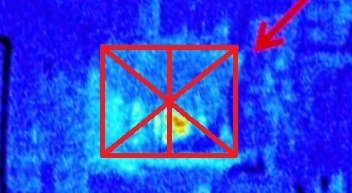
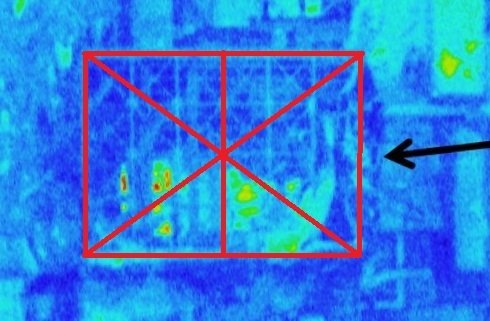
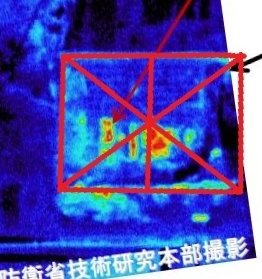
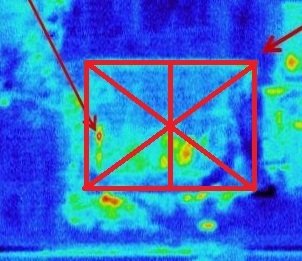
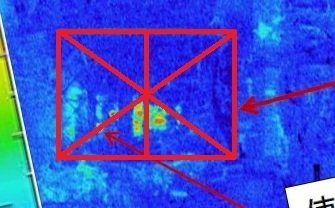
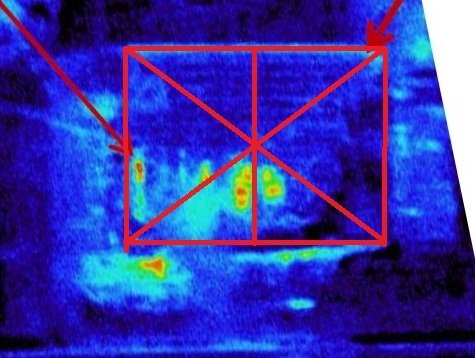
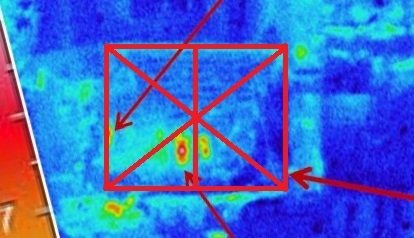
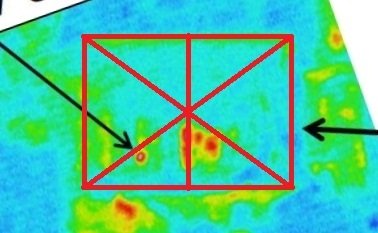
 I look on some images and done some draws (reactor 4):by xxx 4/18/2011 4:01:07 PM
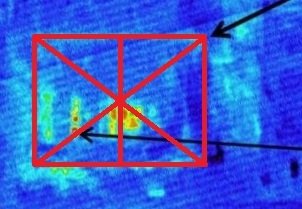 by xxx via Img707.imageshack.us 4/18/2011 4:01:11 PM
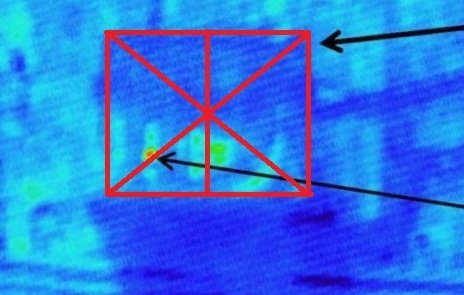 by xxx via Img97.imageshack.us 4/18/2011 4:01:26 PM
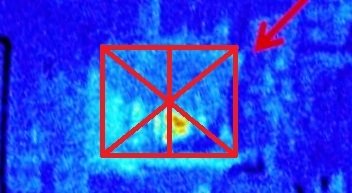 by xxx via Img31.imageshack.us 4/18/2011 4:01:38 PM
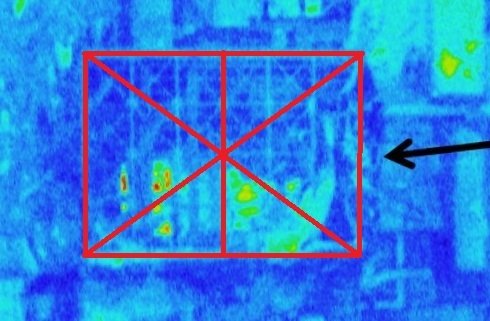 by xxx via Img819.imageshack.us 4/18/2011 4:01:59 PM
 News pages are back to standard business:
Yesterday I quit searching for the daily japan newslinks at Reuters without having to read all global issues. They are now hidden quite well
Kyodo provides only headlines without subscription
Maybe interesting for today: Radiation inside Nos. 1, 3 reactor buildings up to 57 millisieverts
english.kyodonews.jpby Max 4/18/2011 4:03:28 PM- summary on european reactions www.nzherald.co.nz Opposition to nukes sweeping Europe "Even in France, which produces 75 per cent of its electricity in nuclear plants, recent polls show that more than 80 per cent of the French want to replace atomic energy by renewables."by Edano 4/18/2011 4:05:32 PM
 Links to News: fukushimafaq.wikispaces.comby Markfm 4/18/2011 4:09:54 PM
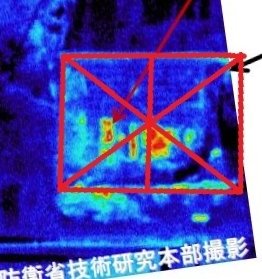 by xxx via Img251.imageshack.us 4/18/2011 4:11:16 PM
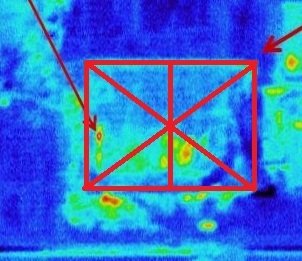 by xxx via Img151.imageshack.us 4/18/2011 4:18:05 PM
- I noticed that they are now picking up some (B) readings for several parameters, not just the CAMS radiation data. In TEPCO's powerpoint on status, www.tepco.co.jp , the (B) water level for number 2, at -2100, is what they're listing, not the -1500 that had been getting output for days.by Markfm edited by Markfm 4/18/2011 4:19:53 PM
 Radioactive isotope concentrations from Takasaki CTBTO station www.cpdnp.jp Note high levels of Ba-140 and La-140.
Barium-140 was used along with chemically similar Strontium-89 and Strontium-90 in fallout determination of US Hardtack nuclear tests www.osti.govby Bobby1 4/18/2011 4:22:03 PM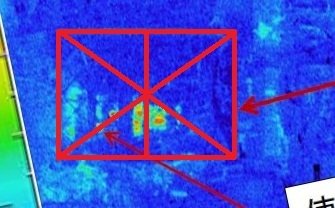 by xxx via Img846.imageshack.us 4/18/2011 4:22:22 PM
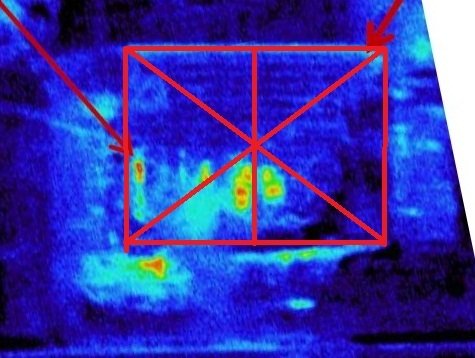 by xxx via Img684.imageshack.us 4/18/2011 4:25:44 PM
- Brazil is beefing up their data capture/portrayal. Some new plots related to vapor pressure, and indications of periods when there was dark smoke observed (at least at #3). www.ic.unicamp.brby Markfm 4/18/2011 4:30:15 PM
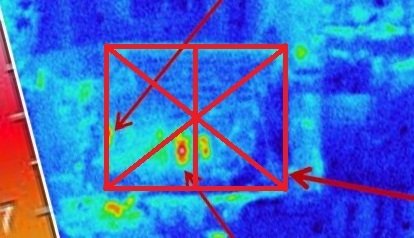 by xxx via Img715.imageshack.us 4/18/2011 4:31:54 PM
- @xxx all this pics without reference isn't helping me much.by Mexico_lurker 4/18/2011 4:33:22 PM
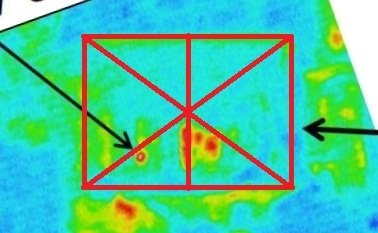 by xxx via Img857.imageshack.us 4/18/2011 4:35:52 PM
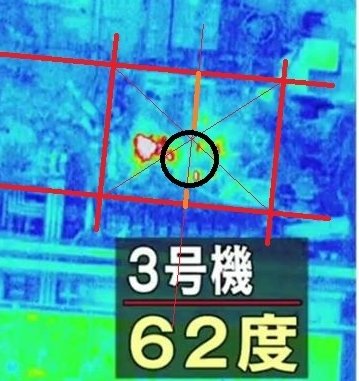
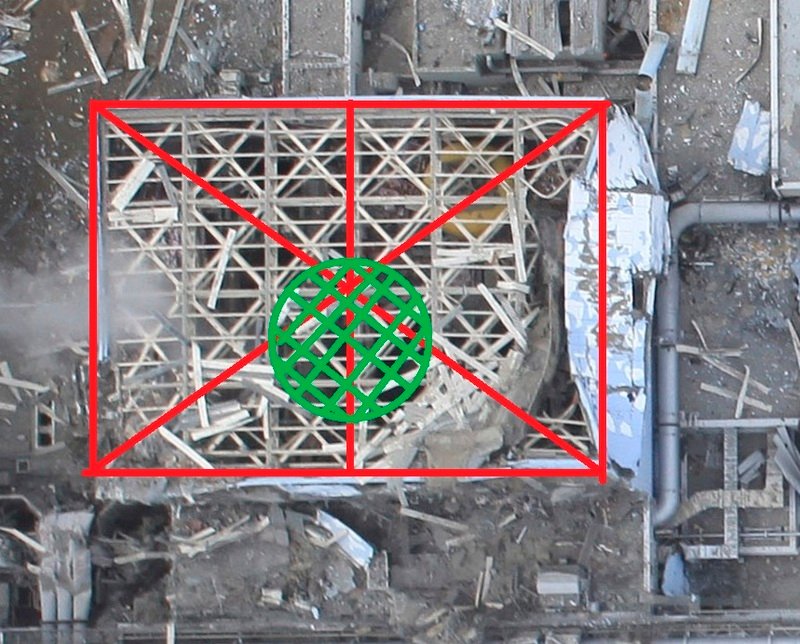
- @Mexico_lurker this is reactor #4 wals and center of buildingby xxx 4/18/2011 4:36:21 PM
- and reactor core is located closer to turbine buildingby xxx 4/18/2011 4:36:45 PM
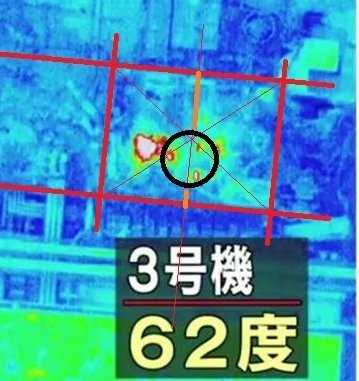
and here is #3 core location but it is the same for #4 also img571.imageshack.us
by xxx via Img571.imageshack.us 4/18/2011 4:37:59 PM- hello to all, i just saw that into the plant parameters (meti - 18 apr 14:00) there is an estremely high reading of the radiation level into the suppression chamber of the unit #2 ((B) reading, 1.01*10^2 Sv/h, so 101 Sv/h).. anyone has any idea regarding this?by Daniele 4/18/2011 4:39:47 PM
- TEPCO to prevent radioactive dust migration
The operator of the Fukushima Daiichi nuclear plant will spray a chemical hardening agent around the damaged plant to prevent the migration of radioactive dust and soil.
Tokyo Electric Power Company says it will begin spraying the polymer emulsion on top of debris near the plant's reactor buildings starting on Tuesday next week. It has been test-spraying the emulsion since April 1st.
The operation is part of a blueprint announced by TEPCO on Sunday to stop the leaking radiation and bring the plant under control within the next 3 months.
Hydrogen explosions in the first few days of the emergency at Fukushima blew off the roofs and walls of the buildings housing the No. 1 and No. 3 reactors and showered radioactive rubble and dust over the site.
To prevent the debris around a common spent fuel storage pool from scattering, about 2 weeks ago the utility began test coating it with an emulsion widely used in construction sites to settle dust.
TEPCO says the polymer has hardened the debris and that radiation levels in the plant's compound have remained relatively low.
TEPCO says it hopes to finish spraying the agent around the reactor buildings by the end of May, and in the rest of the compound by the end of June.
After that stage, the company plans to cover the reactor buildings with huge filter curtains to prevent any further spread of radioactive materials into the environment.
Monday, April 18, 2011 18:42 +0900 (JST) www3.nhk.or.jpby Sinthia Domina 4/18/2011 4:40:37 PM - @daniele nothing to see here, move along. "apparently it was a broken gauge, so they shut it off"by Mexico_lurker 4/18/2011 4:40:45 PM
- @daniele "please note sarcasm"by Mexico_lurker 4/18/2011 4:41:02 PM
- Daniele -- Good question, I've asked but haven't heard any answers.by Markfm 4/18/2011 4:42:36 PM
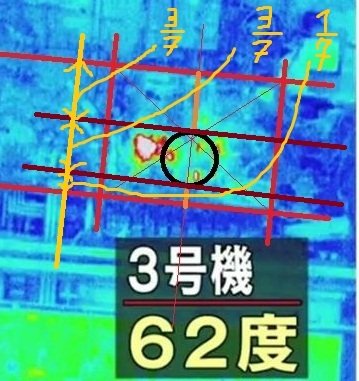
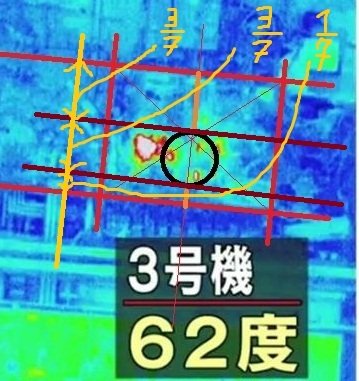
@Mexico_lurker and here are distances (proportions) of core location in building: img199.imageshack.us
by xxx via Img199.imageshack.us 4/18/2011 4:43:32 PM- @xxx ah ty.by Mexico_lurker 4/18/2011 4:44:41 PM
 @Daniele: unfortunately, given the radiation levels and the temperatures in the containment vessels we now have evidence there is fission in there, which mean direct fuel leak from the RPV:
#1 : last known radiation level: 68 Sv/h (as of 8th of April), temperature: 97 / 120 °C
#2 : radiation level: 29 Sv/h, temperature: 132 °C; may be interpolated being nearly 300 °C near the RPC
#3 : radiation level: 16 Sv/h, temperature: 79 / 236 °C
Having #2 & #3 drywell temperature higher than the RPV means there's a huge heat source inside the drywell. Some much heat there can only be from free running nuclear fission, as it seems.
#1 drywell temperature is not hotter than the RPV, but the situation is likely the same; we'll be sure in a few days, if RPV temperature decreases and the drywell one does not. As RPV steam is now likely to condense (temperature is halfway between lower and higher boiling point, given the pressure there), its temperature may decrease quite quickly now.by Jocelyn Mayer 4/18/2011 4:54:44 PM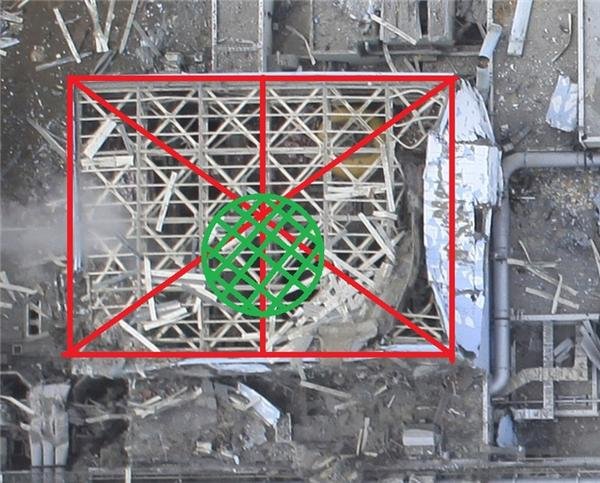 by xxx via Img84.imageshack.us 4/18/2011 4:58:05 PM
- @xxx : in fact, the circle is too big to be the core. it is the drywell. the rreactor vessel itself is only half the size.by Edano 4/18/2011 4:58:18 PM
- @Edano yes, i should explain thatby xxx 4/18/2011 4:58:39 PM
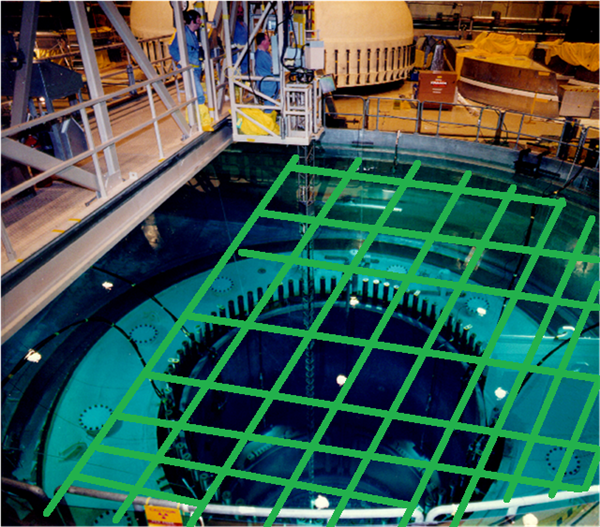
- @xxx @Mexico_lurker: having looking BWR design closely, here's a tip:
the reactor is at the center of the building, but you have to refer to the building basement, which is square, not just the upper part of the building. Then you just have to draw a 12 meter circle there (approximativelly 1/4 of the building size)by Jocelyn Mayer 4/18/2011 4:58:51 PM - this is size with concrede shieldby xxx 4/18/2011 4:59:00 PM
- you can figure #4 steel drywell vessel size, given you can see its cap...by Jocelyn Mayer 4/18/2011 5:00:00 PM
- @Jocelyn Mayer I check this and it is (starting from turbine building side): 1/7 3/7 3/7 (proportions)by xxx 4/18/2011 5:00:05 PM
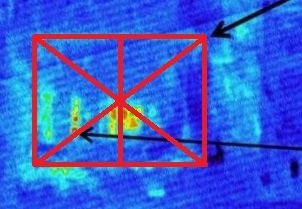
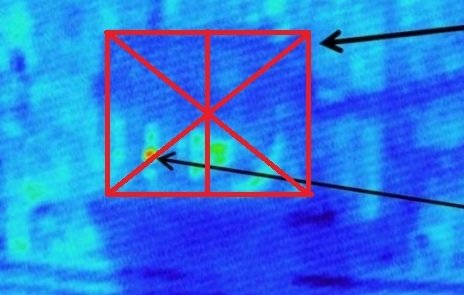
- @xxx : but ... what i mean .... heat signatures should be within the vessel (small) and not within the bigger concrete drywell.by Edano 4/18/2011 5:00:42 PM
- Coming off the torus/suppression chamber?by Markfm 4/18/2011 5:01:48 PM
- i think mary has calculated as 10m for the drywell and 5m for the vessel (diameter).by Edano 4/18/2011 5:02:05 PM
- As a reference, the steel vessel cap has a diameter of ~10 meters.by Jocelyn Mayer 4/18/2011 5:03:05 PM
- @Markfm : no the torus is nearly at the walls.by Edano 4/18/2011 5:03:15 PM
 @Daniele I think most educated opinions now are that some corium oozed (lovely scientific word:) onto the drywell floor.by Jim Carver 4/18/2011 5:03:36 PM
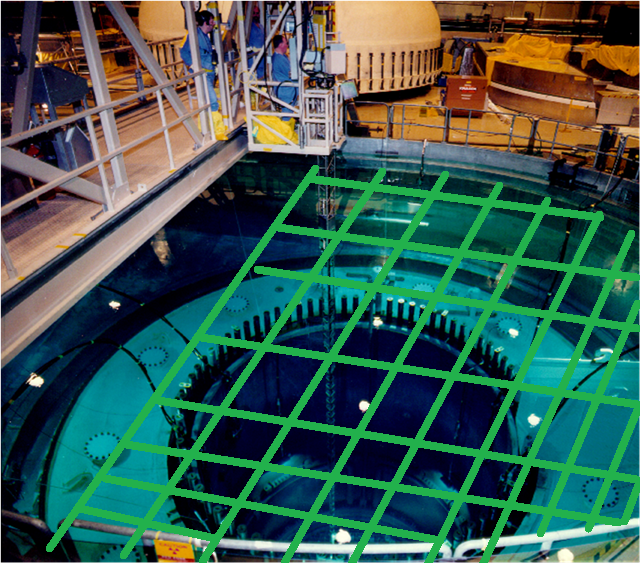
- @Edano yes but it was open so there was more water which can be hotby xxx 4/18/2011 5:04:19 PM
 by xxx via Img848.imageshack.us 4/18/2011 5:04:41 PM
Japan Earthquake | Page 751
- Who's Blogging
-
 hudebnik
 alblee
 UKVal
UKVal Oliver (ScribbleLive)
 Jonathan Keebler
 kaykodh
 PKelley
 Markfm
 Angie
Angie Deb
Deb Mid Valley
- Pedro Jesus
 Matt (ScribbleLive)
 George Gibb
 elainekirk
 lillymunster
 dean
dean bo
bo Edano
Edano IanGoddard